


Hiring movers is one of the biggest line items in any relocation budget, and the price swings widely depending on how far you are going, how much you own, and how much of the work you hand off. This guide breaks down what professional movers actually charge in 2026, how they calculate the bill, and the extra fees that catch people off guard.
All figures below are estimate ranges drawn from current US moving company pricing. Your own quote will depend on your home, your city, and your moving date, so treat these as a planning baseline rather than a fixed price.
Quick facts: average mover costs in 2026
| Move type | Typical cost range (estimate) | How it is priced |
|---|---|---|
| Local move (under 100 miles) | $900 to $2,500 | Hourly, by crew size |
| Long-distance move (100+ miles) | $2,700 to $10,000 | Weight and distance |
| Per mover, per hour | $40 to $80 (up to $150 high-cost areas) | Hourly rate |
| Packing service add-on | $280 to $2,200 | Separate line item |
| Basic liability coverage | Usually included | 60 cents per pound |
How movers charge: hourly vs. weight-based
The single biggest factor in how your bill is calculated is distance, because it decides which pricing model applies.
Local moves are usually charged by the hour
For moves under roughly 100 miles, most companies bill an hourly rate per mover. Expect somewhere around $40 to $80 per mover per hour, though rates can climb to $150 per hour in high-cost cities or for specialty needs. A typical local job uses a two or three person crew, so the hourly total adds up based on how long loading, driving, and unloading take.
Because local pricing is time-based, the more you own and the harder the access, the more you pay. A studio with elevator access loads far faster than a three-bedroom house with two flights of stairs.
Long-distance moves are priced by weight and distance
Once a move crosses the 100-mile mark, pricing usually shifts to a formula based on the weight of your shipment and the mileage between locations. This is why long-distance quotes are harder to estimate at a glance, and why reputable movers want to assess your belongings before quoting. Interstate moves are regulated by the Federal Motor Carrier Safety Administration, which is worth knowing when you compare quotes.
Average cost by move type
Local moves commonly land between $900 and $2,500 for an average household, with smaller apartments at the low end and larger homes at the top. Long-distance moves are a different scale, often running $2,700 to $10,000 or more depending on size and mileage, with the national average for a long haul sitting near $4,900.
For a closer look at how price scales with the size of your home, see our guide to the cost to move by home size. If your move crosses state lines, the long-distance moving cost and cost to move out of state guides go deeper on those scenarios.
What drives the price up or down
Several factors push your quote higher or lower:
- Home size and volume. More rooms means more boxes, more furniture, more hours or weight.
- Distance. Farther moves cost more, and long hauls add fuel and travel time.
- Access. Stairs, long carries from door to truck, narrow hallways, and elevator waits all add labor.
- Time of year. Peak season runs roughly May through September, and summer or weekend moves can cost noticeably more than an off-season weekday.
- Add-on services. Packing, unpacking, furniture disassembly, and specialty item handling are usually billed separately.
One current note for 2026 budgets: moving company pricing rose roughly 21% as of mid-2026, driven largely by higher fuel costs, with some of the steepest increases on the West Coast. Build a little cushion into your estimate accordingly.
Common extra fees to expect
The headline rate rarely tells the whole story. Watch for these add-ons when you read a quote:
- Packing materials and labor. Full-service packing is a separate charge. See the cost of packing and moving boxes for typical numbers.
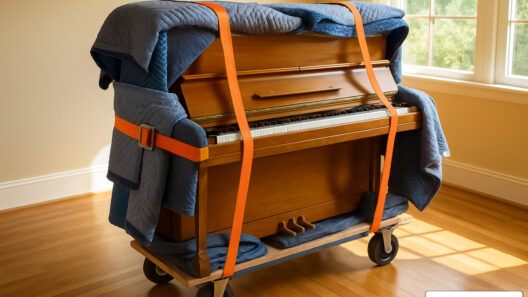
- Specialty items. Pianos, safes, and other heavy or fragile items trigger handling fees. Our cost to move a piano guide covers that case in detail.
- Stairs and long carries. Extra flights or a long walk to the truck can add labor charges.
- Valuation and insurance. Basic released-value coverage is usually free at 60 cents per pound, but full-value protection costs extra.
- Tipping. Not a fee, but worth budgeting. See how much to tip movers.
How to keep mover costs down
You can trim the bill without cutting corners. Booking off-season, mid-week, and mid-month tends to lower rates. Packing yourself avoids the largest single add-on. Decluttering before the move reduces both hours and weight. And getting at least three written quotes is the most reliable way to make sure you are paying a fair market rate rather than the first number you hear.
Frequently asked questions
How much do movers cost for a local move? Most local moves fall between $900 and $2,500, billed hourly based on crew size and how long the job takes. Smaller apartments cost less, larger homes more.
How much do movers charge per hour? The typical range is $40 to $80 per mover per hour, rising toward $150 in expensive metro areas or for difficult jobs.
Is it cheaper to hire movers or do it yourself? A DIY move with a rental truck is usually cheaper up front, but you take on all the labor and risk. Compare the numbers in our moving truck rental cost guide.
Why did my quote come in higher than the average? Access challenges, peak-season timing, long carries, specialty items, and add-on services all push a quote above the baseline averages.
This guide is for general informational purposes only. All costs are estimate ranges based on current US market data and will vary by location, company, and the specifics of your move. Always request written quotes from licensed, insured movers before booking.
Related reading: How much does it cost to move? (full cost overview)