

Key Moments
Common Fake Recruiter Red Flags
Identify typical scam signs like unsolicited contacts, personal emails, and requests for payment early on.How Fake Recruiters Operate
They initiate contact, use urgency and flattery, then ask for money or sensitive info.How to Verify a Recruiter
Check official company listings, verify job openings, and independently confirm the recruiter's identity.Steps to Take if Targeted
Stop contact, report the scam to platforms and the FTC, and notify your bank if necessary.A message lands in your inbox or professional network: a recruiter says they came across your profile and have the perfect role for you. Sometimes that’s a real opportunity. Other times it’s a recruiter scam, where a fraudster poses as a hiring professional to pull money or personal information out of hopeful job seekers. Fake recruiters are convincing because they mimic exactly how real recruiters reach out. Here is how to tell the difference.
Quick facts: fake recruiter red flags
| Red flag | What it signals |
|---|---|
| Unsolicited contact about a job you never applied for | A common opening move for scammers |
| Personal email instead of a company domain | Real recruiters use their employer’s address |
| Pushes you to a messaging app fast | Moving off-platform hides their identity |
| Asks for ID, bank, or SSN early | Legitimate recruiters don’t need this before hire |
| Requests any payment | No real recruiter charges candidates |
| Thin or brand-new professional profile | Fake recruiter accounts lack real history |
What is a recruiter scam?
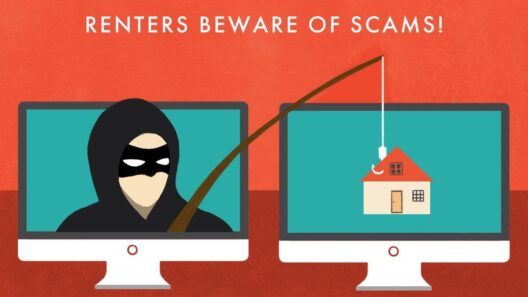
A recruiter scam is a fraud in which someone impersonates a recruiter, either inventing a fake persona or posing as a real recruiter at a genuine company, to gain a job seeker’s trust. Once you’re engaged, the scammer works toward one of two goals: extracting money through upfront “fees” or a fake-check scheme, or collecting enough personal and financial detail to commit identity theft. Because real recruiters do reach out to candidates, the scam blends in, which is why verification matters more than first impressions.
How fake recruiters operate
Fake recruiters usually make contact first, often through a professional network or email, saying they found your profile and want to fast-track you. They lean on flattery and urgency: you’ve already been shortlisted, the role is filling quickly, they just need a few details to proceed. From there they either request sensitive information, steer you toward paying for equipment or training, or set up a fake check arrangement. Many try to move the conversation to a personal messaging app early, where there’s no platform oversight.

The red flags of a recruiter scam
Unsolicited outreach with instant enthusiasm
Being contacted about a role you never applied for, then told you’ve essentially already got it, is a classic pattern. Real recruiters vet candidates; they don’t hand out near-offers on first contact.
A personal or mismatched email address
Legitimate recruiters at established companies use their company email domain. A “recruiter” writing from Gmail or Yahoo, or from a domain that’s a near-miss of the real company name, is a strong warning sign. Keep in mind addresses can be spoofed, so treat email as one signal among several.
Pressure to switch to a messaging app
A quick push to continue on a personal chat app, especially with camera-off “interviews,” is designed to hide the scammer’s identity and avoid a platform’s fraud controls. Genuine recruiters are comfortable with a normal call or standard video interview.
Requests for sensitive information early
If you’re asked for your Social Security number, bank details, or a copy of your ID before any real interview or offer, stop. That information belongs to a later, secure stage of a genuine hiring process.
Any request for payment
No real recruiter charges you. Requests for money toward training, background checks, or equipment are a reliable sign of a scam, as is any arrangement where you deposit a check and send part of it back.
A thin or newly created profile
Fake recruiter accounts often have few connections, little history, no photo or a stock image, and a recently created profile. A quick look at the account’s depth can reveal a lot.
How to verify a recruiter
- Confirm they work where they claim. Look up the recruiter on the company’s official site or its verified network presence, and check that the person and role exist.
- Contact the company directly. Use contact details you find independently, never only the ones the recruiter gave you, and confirm the outreach is real.
- Check the opening. Ask which requisition they’re recruiting for and confirm it appears on the company’s own careers page.
- Search the details. Run the recruiter’s name, email, and phone number through a search engine, adding “scam” to surface any existing reports.
- Refuse to be rushed. A legitimate recruiter will give you time to verify. Urgency is a pressure tactic.
What to do if you’re targeted
If you suspect a fake recruiter, cut off contact and report the account to the platform where you were approached, and report the scam to the Federal Trade Commission at ReportFraud.ftc.gov. If you shared financial information or deposited a check, contact your bank right away. Reporting helps get fraudulent accounts removed before they reach other job seekers.
Frequently asked questions
How do I know if a recruiter is legitimate? Verify independently: confirm they work at the company they claim, check that the role exists on the official careers page, and make sure they use a company email. Legitimate recruiters never ask for payment or sensitive financial details up front.
Why would a fake recruiter contact me first? Unsolicited outreach lets scammers cast a wide net and open with flattery. Being told you’re a perfect fit for a job you never applied to is a common tactic.
Should I give a recruiter my ID or bank details? Not early in the process. That information is collected only after a genuine offer, through secure channels. An early request is a red flag.
Where do I report a fake recruiter? Report the account on the platform where you were contacted and file a report with the FTC at ReportFraud.ftc.gov.
Protect your whole job search
Fake recruiters are one tactic within the wider world of job scams, and they often work hand in hand with fake job postings. The same caution serves you throughout your career, including when you’re planning your next move and reading up on how to quit a job: verify independently, and never pay or share sensitive details under pressure.
This article is for general informational purposes only and is not legal or financial advice. If you believe you have been targeted by a scam, report it to the FTC at ReportFraud.ftc.gov and contact your bank if you shared financial information.