

Key Moments
Purpose of a Utility Deposit
It acts as a security buffer protecting providers from unpaid bills.Typical Deposit Amount
Usually one to two months of estimated bills, varying by state regulations and property size.Who Must Pay a Deposit
New customers with low credit, past missed payments, or opening multiple accounts often pay.Getting Deposit Back
Refunded after about 12 months of on-time payments or upon closing service, often with interest.A utility deposit is a refundable, upfront payment that some electric, gas, or water providers ask for before they start your service. It works as a cushion that protects the provider if you fall behind on bills. In most cases you get it back, often with a little interest, after a set stretch of on-time payments or once you close the account.
Quick facts
| Refundable? | Yes, usually with interest |
| Typical amount | About one to two months of estimated bills (often $50 to $500) |
| Who pays | New customers, people with limited or low credit, or those who missed past payments |
| When it comes back | After about 12 months of on-time payments, or when service ends |
| Not the same as | A connection or activation fee, which is never refunded |
What a utility deposit is for
When you switch on electricity, gas, or water, the provider delivers the service before you ever see a bill. That means they are extending you credit from day one. A deposit gives them a small buffer in case a customer runs up a balance and does not pay, which keeps costs from being passed on to everyone else. Think of it as a security cushion rather than a fee, because it stays your money the whole time they hold it.
How much a utility deposit costs
There is no fixed national amount. Most providers set the deposit at roughly one to two months of the estimated bill for your specific address, so a small apartment with modest use might pay under $100, while a larger home in an extreme climate could owe several hundred dollars. State public utility commissions regulate how much a company can charge and what interest it must pay you, so the rules vary from state to state. To ballpark your own likely deposit, look at the typical average electric bill for a 1-bedroom apartment and double it.

Who has to pay one
Not every new customer gets charged a deposit. Providers look at your financial risk first, and if the picture looks solid, they often skip it. The most common triggers are:
- Low or no credit history. New-to-credit customers or those below a provider’s threshold usually pay.
- A record of missed payments. Past delinquency notices or a prior disconnection raise the odds.
- Opening a second account or transferring service. Some providers request a fresh deposit in these cases.
Many utilities check a specialty database called the NCTUE, which tracks utility and telecom payment history, in addition to a standard credit report.
How to avoid or lower a utility deposit
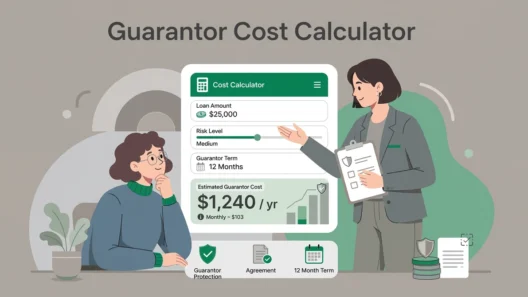
If you can show you are a low risk, you can often reduce or skip the deposit entirely. Good credit is the simplest route. Proof of a clean payment history with a previous utility can also work, and some providers accept a guarantor or co-signer who agrees to cover unpaid bills. If a deposit is unavoidable, many states require the utility to let you pay it in installments over several weeks rather than all at once.
How to get your utility deposit back
For most residential customers, the deposit is refunded after about 12 straight months of on-time payments, usually as a credit on a later bill or a mailed check with interest. It also comes back when you end service: the provider applies it to your final bill and refunds whatever is left. If you move within the same provider’s service area, the deposit and interest often transfer to your new account instead of being refunded, which is worth confirming when you transfer utilities for a move.
Deposit vs connection fee
Do not confuse the two. A connection or activation fee covers the physical work of switching on your service and is never refundable. A deposit, by contrast, remains your money the entire time the utility holds it and comes back to you under the conditions above.
Frequently asked questions
Is a utility deposit refundable? Yes. It is returned after a period of on-time payments or when you close the account, often with interest.
How much is a typical utility deposit? Usually one to two months of your estimated bill, which often lands somewhere between $50 and $500.
Do I get my deposit back when I move? Yes. The provider applies it to your final bill and refunds the balance, or transfers it to your new account if the same company serves your new address.
Can I avoid paying a utility deposit? Often, if you have good credit, can prove a clean utility payment history, or provide a guarantor.