
Key Moments
Definición y alcance variables
El término 'utilities included' no tiene una definición estándar y debe verificarse específicamente en el contrato.Servicios comúnmente incluidos
Usualmente el agua, alcantarillado y basura se incluyen, pero electricidad e internet rara vez.Ventajas y desventajas económicas
Puede ser rentable si usas más servicios, o costoso si usas poco debido a tarifa fija incluida en la renta.Preguntas clave antes de firmar
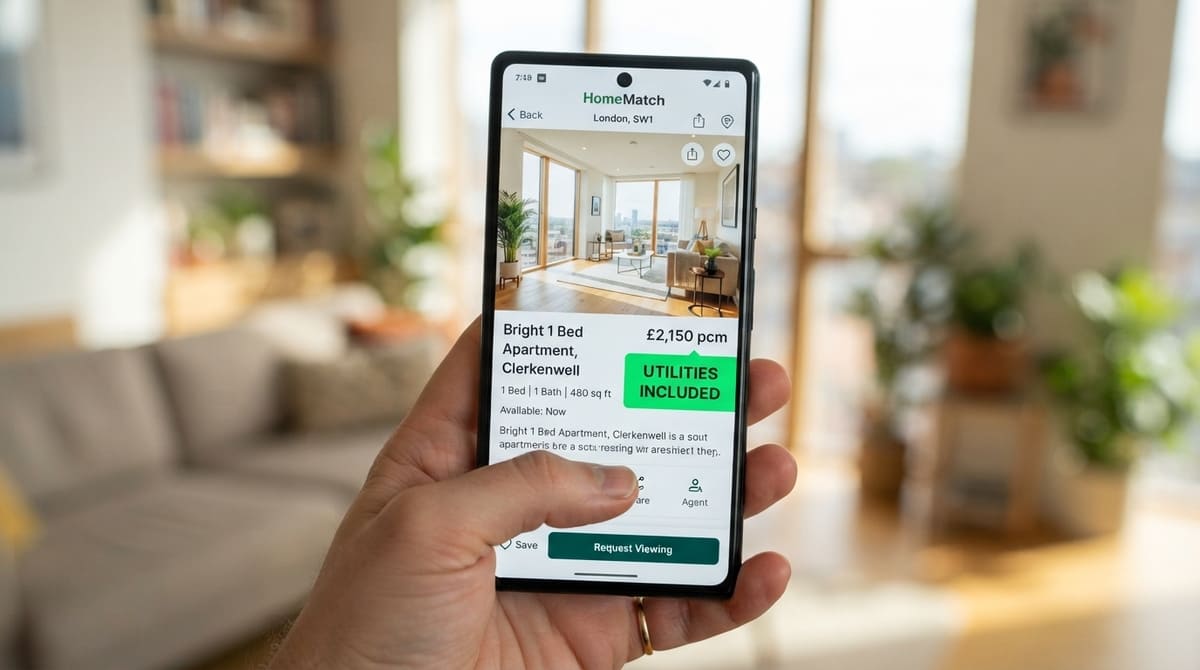
Es esencial preguntar qué servicios están incluidos, límites de uso, control de calefacción y responsabilidad por fallas.Utilities included means the landlord pays some or all of the unit’s utility bills and builds that cost into your monthly rent. Instead of separate accounts for water, trash, or heat, you pay one rent payment and the landlord settles up with the providers. The catch is that the phrase has no standard definition. One listing might mean water and trash only, while another covers everything down to wifi, so the lease, not the listing, is what actually tells you what you are getting.
Utilities Included Quick Facts
| Question | Answer |
|---|---|
| What does it mean? | Some or all utility costs are bundled into rent |
| Almost always included | Water, sewer, trash |
| Sometimes included | Heat, gas, hot water |
| Rarely included | Electricity, internet, cable |
| Is rent higher? | Usually, since the landlord prices in expected usage |
| Can there be limits? | Yes, some leases have usage caps and overage fees |
| Where to verify | The lease agreement, never the listing headline |
What Utilities Are Included in Rent, Typically
Landlords tend to cover services that are billed to the building rather than the unit:
Water and sewer. The most commonly included utilities, especially in older buildings with one master meter where individual billing is impractical.

Trash and recycling. Usually contracted at the building level and folded into rent almost by default.
Heat and hot water. Common in older buildings with central boilers, especially in northern cities, because a single system warms every unit and cannot be metered per apartment.
Gas. Sometimes included when it powers central heat or building hot water. Less often when each unit has its own gas stove and meter.
Electricity. Rarely included, because units are individually metered and usage varies wildly between tenants. When it is included, watch for usage caps.
Internet and cable. Occasionally bundled in student housing, furnished rentals, and newer buildings that negotiate a building-wide plan. Most renters still pay this separately. If that is you, our guide to the average internet bill shows what a fair price looks like.
Is a Utilities Included Apartment a Good Deal?
Sometimes. The math is simple in principle: compare the rent premium against what you would pay for those utilities yourself.
When it works in your favor. If you run heat generously in a cold climate, take long hot showers, or otherwise use more than the average tenant, a flat bundled price effectively subsidizes you. It also protects you from seasonal spikes, which is the same appeal that draws people to budget billing on regular utility accounts.
When it works against you. Light users subsidize heavy ones. If you travel often, live alone, or run a minimal household, you are likely prepaying for usage you never consume. Landlords also price in a buffer, so on average the bundle costs slightly more than paying directly.
The control tradeoff. With utilities in the landlord’s name, you cannot choose providers, shop rates, or in some buildings even control the thermostat. Central heat that the landlord sets is a genuine quality-of-life factor worth asking about on a tour.
To run the comparison honestly, you need to know what utilities would cost you separately. Our pillar guide on how much utilities cost for an apartment has typical figures, with deeper breakdowns of the average gas bill and the average electric bill for a 1-bedroom apartment.
Questions to Ask Before Signing
- Exactly which utilities are included? Get the list in the lease, itemized. “All utilities” in a listing is marketing language, not a contract term.
- Are there usage caps or overage fees? Some leases include electricity up to a monthly limit and bill you past it. Ask how overages are measured and billed.
- Who controls the heat? In buildings with central systems, find out the heating schedule and typical indoor temperature.
- What happens if a service fails? With accounts in the landlord’s name, you report outages to management rather than the utility. Ask about response expectations, and know your state’s rules on required services.
- Which bills remain mine? Whatever is not listed is yours to set up, including deposits and activation fees. Our guides on what a utility deposit is and how to transfer utilities when moving cover that side.
If you are earlier in the search, the full process from touring to signing is laid out in our guide on how to rent an apartment.
Utilities Included FAQ
Does utilities included mean electric is covered?
Not usually. Electricity is the utility least likely to be included because apartments are individually metered for it. Never assume electric is covered unless the lease says so explicitly.
Does utilities included include wifi?
Occasionally, mostly in student housing, co-living, and furnished units. For standard apartments, plan on paying for internet yourself.
Why is rent higher when utilities are included?
The landlord estimates average usage for the covered services, adds a buffer for heavy users and rate increases, and folds it into the rent. You are prepaying utilities at a slightly padded rate in exchange for predictability.
Can a landlord charge me extra for high usage?
Only if the lease allows it. Caps and overage clauses are legal in most places when clearly written into the agreement, which is exactly why the itemized list matters.
Is utilities included better for budgeting?
It is the most predictable setup a renter can have, one flat payment covering housing and covered services. Whether it is cheaper depends entirely on your usage versus the rent premium.
This article is for general information only and is not legal or financial advice. Lease terms and tenant protections vary by state and city. Review your lease and local regulations before signing.