
Key Moments
Understand Joint Responsibility
Recognize that co-tenants are often jointly liable for full rent payments under the lease.Communicate Early with Roommate
Start with a calm, direct conversation to understand the reason behind missed payments.Document Agreements in Writing
Put any repayment plans or financial agreements in writing to protect yourself legally.Explore Long-Term Solutions
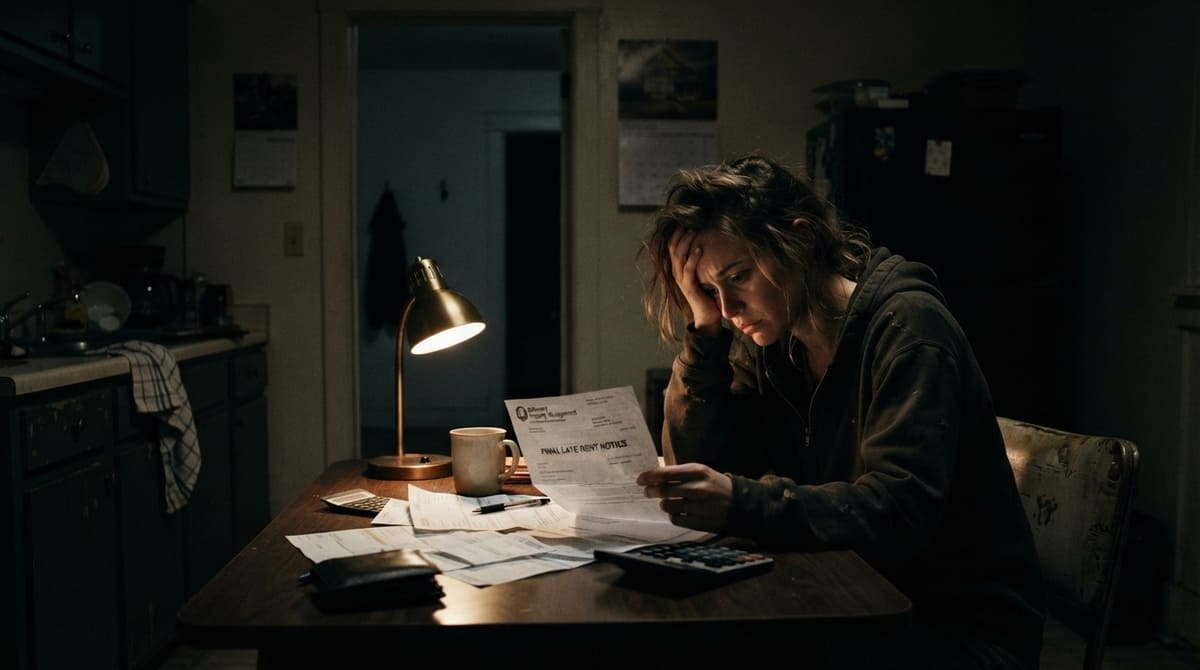
Consider repayment plans, replacing the roommate, small claims court, or exiting the lease.A roommate who stops paying their share puts you in a stressful spot, because the landlord usually does not care how you split the rent internally. If your name is on the lease, you may be on the hook for the full amount whether or not your roommate pays. That makes this a problem worth handling quickly and calmly.
This guide walks through why you are exposed, the steps to take in order, and how to prevent it from happening again.
Quick Facts
| Question | Short answer |
|---|---|
| Am I responsible for their share? | Often yes, if you signed a joint lease. Most leases make co-tenants jointly responsible for the full rent. |
| First step? | Talk to your roommate directly and find out what is going on |
| Should I cover their share? | Sometimes necessary to avoid eviction, but protect yourself in writing |
| Can I make them leave? | Usually not on your own. Removing a tenant typically involves the landlord and legal process. |
| How do I prevent it? | A written agreement, shared expectations, and a small buffer fund |
First, Understand Your Exposure
Most shared leases use what is often called joint and several responsibility. In plain terms, that usually means each tenant can be held responsible for the entire rent, not just their own share. So if your roommate does not pay, the landlord can typically look to you for the full amount, and an unpaid balance can affect your standing on the lease and your rental history.


This is the uncomfortable core of the situation, and it is why acting early matters. The goal is to solve the shortfall before it becomes a missed rent payment with your name attached to it.
Step 1: Talk to Your Roommate
Start with a direct, low-drama conversation. Ask what is going on rather than leading with accusation. Sometimes the cause is a temporary cash crunch, a job gap, or a genuine misunderstanding about the due date. Understanding the reason tells you whether this is a one-time problem or a pattern.
Keep the conversation factual. State clearly what is owed, when it was due, and what you need. If it helps, refer back to whatever you agreed on at move-in.
Step 2: Put the Agreement in Writing
If you do not already have a written agreement, this is the moment its absence hurts. A roommate agreement that records each person’s share and what happens when a payment is late gives you a clear reference and, if it ever comes to it, a record of what was agreed. Even now, put any repayment plan in writing and have both of you keep a copy.
Step 3: Decide How to Cover the Shortfall
If rent is due and your roommate cannot pay, you may have to cover their share temporarily to avoid a missed payment and possible eviction proceedings that would affect you too. If you do, document it. A simple signed note stating the amount you covered and the agreed repayment terms protects you and creates a paper trail.
Weigh this carefully. Covering once for a reliable roommate in a rough month is different from covering repeatedly for someone who has stopped contributing.
Step 4: Talk to Your Landlord if Needed
Whether to involve your landlord depends on your relationship and your lease. Some landlords will work with you on timing. Others simply expect the full rent regardless of internal issues. Be aware that raising it may draw attention to a co-tenant who is in breach, so understand your own position first. If you are considering having the roommate leave, ask how your lease handles removing or replacing a tenant, and see adding a roommate to a lease for how changes to the tenant list generally work.
Step 5: Consider Your Longer-Term Options
If the problem is ongoing rather than a one-time stumble, you have a few paths, each with tradeoffs:
- Repayment plan. Agree on a realistic schedule to recover what is owed, in writing.
- Replacing the roommate. If they are willing to leave, replacing them usually means working with the landlord to adjust the lease. You may need to find a new roommate and vet them carefully.
- Small claims court. For money you covered and cannot recover, small claims may be an option. A written agreement and records of payments strengthen your position.
- Ending your own involvement. In some cases the cleanest path is planning your own exit at lease end. Our guide on breaking a lease covers what that can involve.
Removing a roommate against their will is generally not something you can do on your own. It typically involves the landlord and a legal process, and the rules vary significantly by location.
How to Prevent This From Happening Again
The best protection is set up before anyone misses a payment. Screen a potential roommate on money and reliability using our roommate interview questions. Put every financial term in a written roommate agreement. Keep a small shared buffer for tight months if everyone agrees to it. And pay attention early, since a first late payment is easier to address than a third.
Frequently Asked Questions
Am I legally responsible if my roommate does not pay rent? If you signed a joint lease, you are often responsible for the full rent, because many leases hold co-tenants responsible together. Check your specific lease and local rules.
Can I kick out a roommate who is not paying? Usually not on your own. Removing a tenant typically requires the landlord and a legal process, and the rules depend heavily on where you live.
Should I cover my roommate’s share? Sometimes it is necessary to avoid a missed rent payment that would affect you. If you do, document the amount and repayment terms in writing.
Can I take my roommate to small claims court? Potentially, for money you covered that they owe you. Written agreements and payment records help support your claim.
How can I avoid this next time? Screen carefully, use a written agreement that spells out payment terms, and address the first late payment promptly rather than letting it slide.