

Key Moments
Legal Grounds to Break Lease
Certain situations like military duty or unsafe conditions allow breaking a lease without penalties.Step-by-Step Process
Following the lease terms, giving written notice, and negotiating with the landlord are key steps.Financial Consequences
Penalties may include early termination fees, unpaid rent, or loss of security deposit depending on your case.Alternatives to Breaking Lease
Options like subletting, lease reassignment, or negotiation can reduce costs or avoid breaking the lease.Life rarely waits for a lease to end. A new job in another city, a rent you can no longer afford, a roommate situation that fell apart, or a unit that turned out to be unsafe can all leave you needing out of a rental before the term is up. The good news is that breaking a lease is almost always possible. The question is how much it will cost you and whether you can do it without a penalty.
A lease is a binding contract, so walking away carelessly can mean owing months of rent, losing your deposit, and damaging your credit. Done the right way, though, many renters end a lease early with little or no penalty. This guide walks through your legal options, the exact steps to take, what it can cost, and the alternatives worth trying first.
Quick facts: breaking a lease
| Question | Short answer |
|---|---|
| Is it legal to break a lease? | Yes, though without a legal ground you may still owe rent until the unit is re-rented. |
| Typical notice to give | 30 to 60 days in writing, or whatever your lease specifies. |
| Common penalty | An early termination fee, often one to two months’ rent, or rent owed until a new tenant is found. |
| Can you avoid the penalty? | Yes, with a valid legal reason or a cooperative landlord. |
| Biggest risk | Unpaid rent sent to collections, which can hurt your credit and future rental applications. |
| Does the landlord have to re-rent? | In most states, yes. Landlords are generally required to make a reasonable effort to re-rent the unit. |
Can you legally break a lease?
Yes. You always have the physical ability to move out early. What changes from one situation to the next is your financial responsibility afterward.


If you leave without a legal reason and without your landlord’s agreement, you are generally still on the hook for the rent for the remaining months of the lease. Here is the part that works in your favor: most states require a landlord to “mitigate damages,” meaning they must make a reasonable effort to find a new tenant rather than letting the unit sit empty while billing you. Once a replacement tenant moves in, your obligation typically ends. This duty to re-rent is not universal, so it is worth confirming the rule in your state before you rely on it.
The cleaner path is to end the lease on terms both you and your landlord agree to, or to qualify for one of the protected reasons below.
Legal reasons you can break a lease without penalty
Certain circumstances let you end a lease early with no obligation for future rent. The specifics vary by state, so treat the categories below as a starting point and verify the law where you live.
Active military duty
Federal law, the Servicemembers Civil Relief Act (SCRA), lets active-duty servicemembers end a lease early after entering service or receiving deployment or permanent change of station orders, generally for a period of 90 days or more. You provide written notice and a copy of your orders. This protection also extends to certain dependents.
Unsafe or uninhabitable conditions
Every residential lease carries an implied “warranty of habitability,” meaning the home must be safe and livable. If serious problems such as no heat, no running water, severe mold, or a pest infestation go unaddressed after you have given the landlord proper notice and time to fix them, you may have grounds to leave under what is called constructive eviction. Document the conditions thoroughly and put your complaints in writing.
Landlord harassment or privacy violations
You are entitled to “quiet enjoyment” of your home. If a landlord repeatedly enters without proper notice, harasses you, or otherwise makes the unit unlivable, that conduct may justify ending the lease. Keep a dated record of each incident.
Domestic violence and similar protections
Many states allow survivors of domestic violence, and in some states survivors of sexual assault or stalking, to terminate a lease early without penalty. You typically need to provide documentation such as a protective order and give written notice. The exact requirements and the offenses covered differ significantly by state.
An early termination clause in your lease
Many leases include an early termination clause that spells out exactly how to leave early and what it costs, often one to two months’ rent plus advance written notice. If your lease has one, following it to the letter is usually the simplest way to exit cleanly. Some states also let landlords charge a reasonable reletting fee to cover the actual cost of finding a new tenant.
How to break a lease, step by step
1. Reread your lease
Start with the document you signed. Look for an early termination clause, the required notice period, any subletting rules, and the listed penalties. Your specific lease often answers most of the questions before you ever contact your landlord.
2. Check your state’s laws
Landlord-tenant rules, including the duty to re-rent, deposit limits, and protected reasons for leaving, are set at the state and sometimes city level. A quick look at your state’s tenant resources or a local housing organization tells you which protections apply to you.
3. Give written notice
Put your intent to move out in writing, even if you have already spoken with your landlord. Include your planned move-out date and, where relevant, your reason. Send it in a way you can prove, such as certified mail or email with a copy retained. Written notice also starts the clock on the landlord’s obligation to re-rent in many states.
4. Talk to your landlord about options
Landlords often prefer a cooperative exit to an empty unit or a court fight. You may be able to agree on a mutual lease termination, a flat buyout, or forfeiting your deposit in exchange for release. Get any agreement in writing and signed by both parties before you move out.
5. Help find a replacement tenant
Offering to find a qualified replacement tenant, or to sublet or reassign the lease where your lease and state allow it, reduces the landlord’s loss and your liability. The faster the unit is re-rented, the less rent you are likely to owe. See our guide to subletting an apartment for how that works and where it differs from a lease reassignment.
6. Document everything
Keep copies of your notice, your lease, every message with your landlord, and photos of the unit’s condition at move-out. If a dispute over rent or your deposit ends up in small claims court, this paper trail is what protects you.
What breaking a lease can cost you
The financial fallout depends on your reason for leaving and your state’s rules, but the common costs are:
Early termination fee. If your lease has a termination clause, this is often one to two months’ rent.
Remaining rent. Without a legal ground or a termination clause, you can owe rent until the lease ends or the unit is re-rented, whichever comes first, in the many states that require the landlord to re-rent.
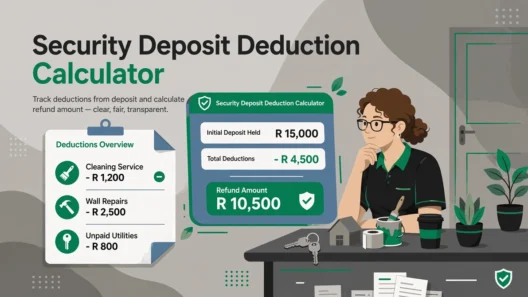
Your security deposit. A landlord may apply your deposit to unpaid rent or damages. Do not assume your deposit covers your last month’s rent, as it usually does not. Our guide to getting your security deposit back explains what a landlord can and cannot deduct.
Collections and legal costs. If you owe rent and do not pay, the debt can be sent to collections or the landlord can sue. Either outcome can make renting harder in the future.
Does breaking a lease hurt your credit?
Breaking a lease does not directly appear on your credit report. The indirect damage is what to watch for. If you leave owing rent or fees and the landlord sends that balance to a collections agency, the collection account can land on your credit report and lower your score. Unpaid balances and evictions can also show up on tenant screening reports, which future landlords check. Paying what you legitimately owe, or settling it in writing, is the way to keep a lease exit off your record.
Alternatives to breaking your lease
Before you break the lease outright, weigh these options, which often cost less:
- Negotiate a buyout. A one-time payment to be released can be cheaper than months of rent.
- Sublet the unit. If your lease allows it, a subtenant pays rent while you stay on the lease. Read more in our subletting guide.
- Reassign the lease. A full reassignment transfers the lease to a new tenant and, unlike subletting, usually removes you from it entirely.
- Switch to month-to-month. If you are near the end of your term, moving to a month-to-month lease can give you flexibility without breaking anything.
- Wait it out. If your move is not urgent, finishing the term avoids penalties altogether.
If you do move out, plan the logistics early. Our moving checklist covers timing and packing, and self-storage is worth considering if your move-out date and move-in date do not line up.
Frequently asked questions
Can I break a lease without paying anything? Sometimes. With a protected legal reason, such as military orders or an uninhabitable unit, you can often leave with no penalty. Without one, you can still minimize costs by giving proper notice and helping the landlord re-rent quickly.
How much does it cost to break a lease? It ranges from nothing, if you have a legal ground, to several months of rent. A common figure is an early termination fee of one to two months’ rent where the lease includes a termination clause.
Can a landlord refuse to let me break my lease? A landlord cannot force you to physically stay. They can hold you to the financial terms of the lease, but in most states they also have a duty to re-rent the unit and reduce what you owe.
Do I have to give 60 days’ notice? Follow whatever your lease says. Thirty to sixty days of written notice is typical, and giving as much notice as possible generally works in your favor.
Is a verbal agreement to end my lease enough? No. Always get any agreement to terminate the lease in writing and signed by both you and your landlord, so it is enforceable if a dispute arises.