

Key Moments
Calculate Your Rent Budget
Determine your affordable rent using the 30% income rule and personal finances.Understand Lease Types
Choose between fixed-term and month-to-month leases based on your plans.Protect Your Security Deposit
Document your apartment condition to secure your deposit refund.Prepare to Move Effectively
Set up essentials like utilities, insurance, and address changes upon moving in.Renting an apartment involves a lot more than finding a place you like and signing a lease. You have to know what you can afford, understand what you are agreeing to, protect your deposit, and handle the move itself, all while avoiding the mistakes that cost first-time renters money. This guide walks through the entire process from start to finish, and links out to detailed guides for each step so you can go deeper wherever you need to.
Whether you are renting for the first time or just want to do it smarter this time, here is the full picture, in the order you will actually face it.
Quick facts: renting an apartment
| Stage | What it involves |
|---|---|
| Budgeting | Working out how much rent you can afford before you search |
| Deciding | Whether renting or buying is the better move for you now |
| Searching | Touring, applying, and meeting landlord requirements |
| Signing | Understanding the lease and your deposit |
| Moving in | Setting up your new place and protecting your money |
| Leaving | Ending or exiting your lease the right way |
Step 1: Work out how much rent you can afford
Before you look at a single listing, figure out your number. Spend too much on rent and every other part of your budget suffers. The common guideline is the 30% rule, keeping rent at or below 30 percent of your gross monthly income, which is also the standard many landlords use when screening applicants.


Your real number depends on your debts, your savings goals, and your local cost of living, so it is worth running the math for your own situation rather than guessing. Our rent affordability calculator gives you a personalized target in seconds and shows what you would have left over each month.
Step 2: Decide whether renting is right for you
Renting is not automatically the cheaper or worse option compared with buying. It offers flexibility and low upfront costs, while buying can build equity if you stay long enough and the numbers work in your market. The single biggest factor is your timeline: the shorter your expected stay, the more renting makes sense.
If you are weighing the two, our guide on renting versus buying breaks down the 5% rule, the break-even point, and the real costs of each, so you can decide based on your situation rather than a headline.
Step 3: Find an apartment and apply
Once you know your budget, the search begins. A few things make this stage go smoothly:
- Search slightly wider than your ideal area. Rents can drop noticeably a neighborhood or two over.
- Tour with a critical eye. Test water pressure and hot water, check that outlets and appliances work, look for pests or mold, and confirm cell signal.
- Have your documents ready. Landlords commonly ask for photo ID, proof of income such as pay stubs, bank statements, references, and consent to a credit or background check.
- Know the income requirement. Many landlords want your gross monthly income to be about three times the rent, which lines up with the 30% rule.
Moving quickly with paperwork in hand gives you an edge in competitive markets, since good apartments get multiple applications.
Step 4: Understand your lease before you sign
The lease is the contract that governs your entire tenancy, so read it carefully before signing. Check the rent, the lease length, the notice period, pet and guest rules, who handles repairs, and what happens if you need to leave early.
One of the first choices you will face is the lease type. A fixed-term lease, usually 12 months, locks in your rent for the term and gives you stability. A month-to-month lease renews each month and offers flexibility to move on short notice, though it often costs more and your rent can rise with proper notice. Which one is right depends on how settled you expect to be.
Step 5: Handle the security deposit
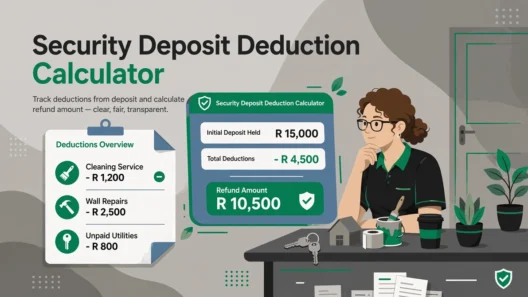
Most landlords require a security deposit, often one to two months’ rent, held against unpaid rent or damage. The key thing to understand is that this is your money, and you are entitled to most or all of it back if you leave the place in good condition.
Protect it from day one by documenting the unit’s condition with photos before you move anything in. When you move out, knowing what a landlord can and cannot deduct is what keeps your refund intact. Our security deposit guide covers how much a landlord can charge, what counts as normal wear and tear, and how to get your full deposit back.
Step 6: Move into your new apartment
With the lease signed, the focus shifts to setting up your home. You do not need to furnish everything on day one. Start with the essentials that make the place livable, a way to sleep, cook, clean, and sit, then fill in the rest over time.
The first week also has practical tasks: setting up utilities and internet in your name, buying renters’ insurance, and changing your address. Our first apartment checklist lays out everything to do and buy, room by room, so nothing slips through. If you are coming from another place, our moving checklist helps with the logistics, and self-storage is worth considering if your move-out and move-in dates do not line up.
Step 7: Protect your belongings with renters insurance
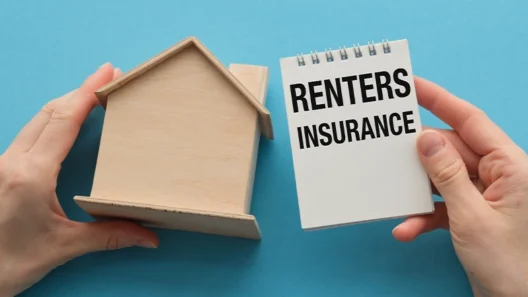
Renters insurance is inexpensive and protects your possessions against theft, fire, and water damage, and it usually includes some liability coverage. Many landlords now require it. Because it costs so little relative to what it covers, it is one of the easiest smart decisions a renter can make. Take a quick inventory of your belongings so you know how much coverage to carry.
Step 8: Ending or leaving your lease
At some point you will need to move on, and how you do it matters. If your lease has run its course, giving proper written notice is usually all it takes. If you need to leave early, you have options that protect you from owing months of rent.
Our guide on how to break a lease explains the legal reasons you can end a lease without penalty, the steps to take, and what it can cost. If you only need to leave temporarily or want someone else to cover the rent, subletting your apartment may be a better route, as long as you get your landlord’s written permission and understand that you will usually stay responsible for the lease.
Frequently asked questions
What do I need to rent an apartment? Typically, photo ID, proof of income, references, and consent to a credit or background check, plus enough saved for the first month’s rent and a security deposit. Many landlords also want income around three times the rent.
How much rent can I afford? A common guideline is 30 percent of your gross monthly income, adjusted down if you carry debt or want to save more. Use a rent affordability calculator to find your specific number.
Should I get a fixed-term or month-to-month lease? A fixed lease gives stability and a locked rate, while a month-to-month lease gives flexibility at usually a higher cost. Choose based on how long you expect to stay.
How do I get my security deposit back? Document the unit’s condition at move-in, keep it clean, follow your lease, and provide a forwarding address. A landlord can only deduct for unpaid rent or damage beyond normal wear and tear.
Can I get out of a lease early? Yes. With a legal reason, you may owe no penalty, and even without one, you can limit costs by giving notice and helping the landlord re-rent. Subletting is another option where your lease allows it.