
Key Moments
Prepare Before Signing
Review budget, lease terms, documents, and inspect the unit before committing.Prioritize Move-In Essentials
Start with basics for kitchen, bathroom, bedroom, and living areas for livability.Complete First Week Tasks
Set up utilities, internet, renters insurance, and update your address promptly.Budget Strategically
Focus spending on functional essentials first; use secondhand options to save.Your first apartment is exciting, and it is also a long list of things you suddenly have to figure out at once. What do you need to sign the lease? What do you actually have to buy on day one versus later? What has to happen the first week so you have power, internet, and a working kitchen? This checklist walks through all of it in order, so nothing important slips through the cracks.
Quick facts: setting up your first apartment
| Stage | What it covers |
|---|---|
| Before you sign | Budget, documents, lease review, apartment tour |
| Move-in essentials | The basics for each room you need right away |
| First week | Utilities, internet, renters insurance, address change |
| Smart budgeting | What to prioritize and what can wait |
Before you sign the lease
Get these sorted before you commit, not after.
- Know your budget. Confirm the rent fits your income before anything else. Our rent affordability calculator gives you a target in seconds.
- Gather your documents. Landlords commonly ask for photo ID, recent pay stubs or proof of income, bank statements, references, and sometimes a credit check.
- Budget for upfront costs. Plan for first month’s rent plus a security deposit, and possibly last month’s rent or an application fee.
- Read the lease carefully. Check the rent, the lease length, the notice period, pet and guest rules, and what happens if you need to leave early. If that situation ever comes up, here is how to break a lease the right way.
- Tour with a checklist. Test water pressure and hot water, check that outlets and appliances work, look for signs of pests or mold, confirm cell signal, and note any existing damage.
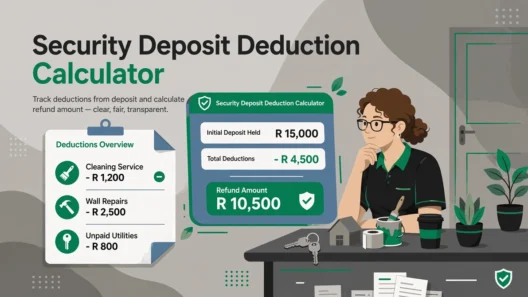
- Document the unit’s condition. Photograph everything before you move a single box in. This protects your deposit when you move out.
Move-in essentials, room by room
You do not need to furnish the whole place on day one. Start with the basics that make the apartment livable, then fill in the rest over time.


Kitchen
- A few plates, bowls, cups, and sets of cutlery
- One good pan, one pot, and a baking sheet
- Cooking utensils, a knife, and a cutting board
- Dish soap, sponges, and dish towels
- Trash can and trash bags
- A few food storage containers
Bathroom
- Shower curtain and liner
- Bath towels, hand towels, and a bath mat
- Toilet paper, hand soap, and a toilet brush and plunger
- Basic first aid supplies
Bedroom
- Bed frame and mattress, or at least a mattress to start
- Sheets, pillows, and a blanket or comforter
- A lamp, since overhead lighting is not guaranteed
- Hangers and a basic dresser or storage bins
Living room
- Somewhere to sit, even if it starts simple
- A small table or surface
- A lamp or two for lighting
- Power strips and extension cords
Cleaning supplies
- All-purpose cleaner and paper towels
- Broom, dustpan, and a mop or floor wipes
- Vacuum if the unit is carpeted
- Laundry detergent
Safety and basic tools
- Make sure smoke and carbon monoxide detectors work
- A basic toolkit with a screwdriver, hammer, and tape measure
- A flashlight and spare batteries
- A spare set of keys
Your first week tasks
These keep the lights on and your essentials covered.
- Set up utilities. Arrange electricity, gas, and water in your name if they are not included in rent. Do this before move-in day where possible so you are not without power.
- Get internet installed. Schedule installation early, since appointment slots fill up.
- Buy renters insurance. It is inexpensive and protects your belongings, and many landlords require it. Take a home inventory so you know how much coverage you need.
- Change your address. Update it with the postal service, your bank, your employer, and any subscriptions.
- Find the essentials. Locate your circuit breaker, water shutoff, mailbox, trash and recycling areas, and laundry.
How to budget for it all
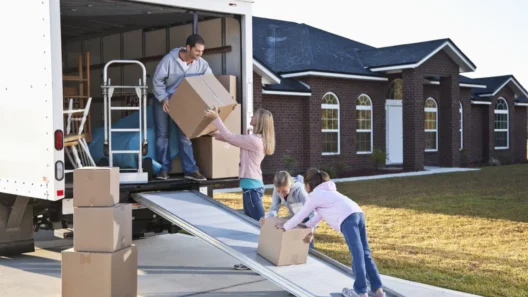
Furnishing a first apartment adds up fast, so be strategic. Buy what makes the place functional first, a way to sleep, cook, clean, and sit, then add the rest over the following weeks. Secondhand stores, marketplace listings, and hand-me-downs cover most furniture at a fraction of the price. If you are moving from another place, our moving checklist helps you plan the logistics, and self-storage is useful if your move-out and move-in dates do not line up.
Frequently asked questions
What should I buy first for a new apartment? Start with the essentials that make it livable: something to sleep on, basic kitchen and bathroom supplies, and cleaning gear. Everything else can wait.
How much money should I have saved before moving into my first apartment? Plan for first month’s rent, a security deposit, and often a bit more for application fees and essentials, plus an emergency cushion. Add the cost of furnishing the basics on top.
Do I need renters insurance for my first apartment? It is strongly recommended and often required by the landlord. It is usually inexpensive and covers your belongings and some liability.
What documents do I need to rent my first apartment? Commonly photo ID, proof of income such as pay stubs, bank statements, references, and consent to a credit or background check.
How do I make sure I get my deposit back later? Document the unit’s condition with photos at move-in, keep the place clean, and follow your lease. See our security deposit guide for the full process.