

Key Moments
Honest Budgeting
Calculate true income and monthly expenses before moving out.Upfront Costs Awareness
Save for deposits, rent, fees, furniture, and moving expenses.Finding a Suitable Place
Consider roommates, location, and landlord requirements realistically.Building Financial Foundations
Establish credit, emergency funds, and timely rent payments from day one.Moving out at 18 is exciting and a little terrifying, and the difference between a smooth start and a stressful one usually comes down to preparation. This is not about whether you are ready to be independent, it is about making sure the numbers work and the basics are in place before you sign anything. Here is a realistic, step-by-step way to do it.
Quick facts: moving out at 18
| Step | What it covers |
|---|---|
| 1. Know your numbers | Income, monthly costs, savings cushion |
| 2. Budget the real cost | Rent plus deposits, utilities, furniture |
| 3. Find a place | Roommates, location, what you can qualify for |
| 4. Prepare to move | Address, utilities, supplies, the move itself |
| 5. Build the basics | Credit, rental history, an emergency fund |
Step 1: Know your numbers honestly
Before anything else, work out what you actually earn and what living costs. A widely used guideline is to keep rent around 30 percent of your income, though that is harder in expensive areas and may mean roommates. List your expected monthly costs:
- Rent
- Utilities (electricity, water, gas, internet)
- Phone
- Groceries
- Transportation (car payment, gas, insurance, or transit)
- Any debt payments
- A little for savings and fun
If the total is more than you bring in, that is useful information now, not after you have signed a lease.


Step 2: Budget the real cost of moving out
The monthly rent is only part of it. The upfront cost of getting into a place is what catches most first-time renters off guard:
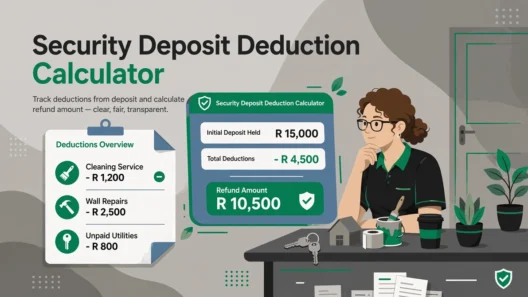
- Security deposit, often equal to one month’s rent.
- First (and sometimes last) month’s rent due at signing.
- Application and screening fees.
- Utility deposits or setup fees.
- Furniture and household basics: a bed, kitchen items, cleaning supplies, and so on.
- The move itself. Even a small local move has a cost. See local moving cost to plan for it.
Aim to have these upfront costs saved plus a cushion, so a single surprise does not put you behind in month one.
Step 3: Find a place you can actually get
- Consider roommates. Splitting rent and utilities is the single biggest way to make moving out affordable at 18.
- Be realistic about location. A cheaper place farther out can cost more once you add commuting.
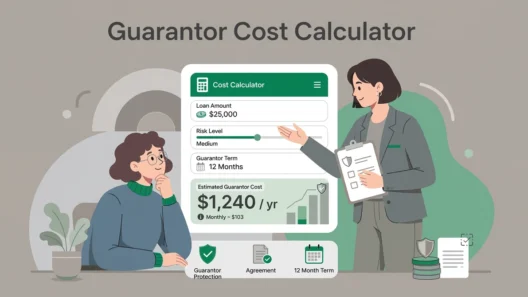
- Know what landlords look for. With little or no rental history, you may need a co-signer (often a parent), proof of income, or a larger deposit. Knowing this ahead of time saves disappointment.
- Read the lease carefully before signing. Understand the length, the deposit terms, what utilities are included, and the rules on guests and pets.
Step 4: Prepare for the move
Once you have a place, the logistics are the same as any move, just smaller:
- Set up utilities so power and internet are on when you arrive.
- File a change of address so your mail follows you. The change of address checklist lists everyone to notify.
- Gather supplies on the cheap. You do not need to buy boxes. See where to get free moving boxes.
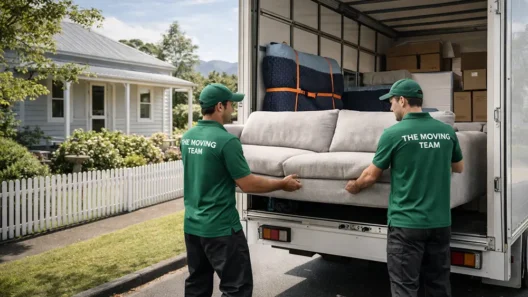
- Plan the actual move. For a first apartment, friends and a rented truck often do the job. The full moving checklist keeps you on track.
Step 5: Build the foundation for independence
A few habits in the first year make everything easier later:
- Build credit responsibly, which helps with future rentals, cars, and loans.
- Keep an emergency fund. Even a small cushion covers a surprise bill without derailing you.
- Pay rent on time, every time. It builds the rental history that makes the next place easier to get.
- Track your spending for the first few months so you actually know where the money goes.
Frequently asked questions
How much money should I save before moving out at 18? Enough to cover the upfront costs (deposit, first month’s rent, fees, basic furniture) plus an emergency cushion. Many people aim for a few months of expenses saved so an early surprise does not sink them.
Can I rent an apartment at 18 with no credit? Often yes, but you may need a co-signer, proof of steady income, or a larger deposit. Ask landlords what they require before applying, and consider starting with roommates.
Is it cheaper to move out with roommates? Almost always. Splitting rent and utilities is the most effective way to make moving out affordable on a first-job income.
What do I need for a first apartment? The essentials first: a bed, basic kitchen items, cleaning supplies, and a few pieces of furniture. You can add the rest over time rather than buying everything at once.
The bottom line
Moving out at 18 works when the numbers work. Know your income and real costs, save for the upfront expenses plus a cushion, find a place you can realistically qualify for (roommates help a lot), then handle the move itself like any other. Build credit, history, and savings from day one, and your first place becomes the foundation for everything after it.
For the full process and every checklist, start with our complete guide to moving.
This article is for general informational purposes only and is not financial advice. Costs, rental requirements, and budgeting guidelines vary by location and situation. Consider your own circumstances before making any financial decisions.