
Key Moments
Timing of Inspection
The home inspection is scheduled soon after offer acceptance to meet contingency deadlines.Choosing an Inspector
Buyers select and pay for inspectors, often relying on referrals or reviews to ensure quality.Scope of Inspection
Inspections visually cover major accessible systems but do not include invasive checks or specialized tests.Options After Inspection
Depending on findings, buyers can proceed, request repairs, renegotiate, or walk away.Once your offer on a home is accepted, the home inspection is usually the next major step, and for good reason. It is your chance to learn what you are really buying before the sale becomes final, beyond what you could see during a quick viewing.
This guide explains the home inspection process from start to finish: what an inspection is, what inspectors check, how long it takes, and what your options are if the report turns up problems.
What is a home inspection?
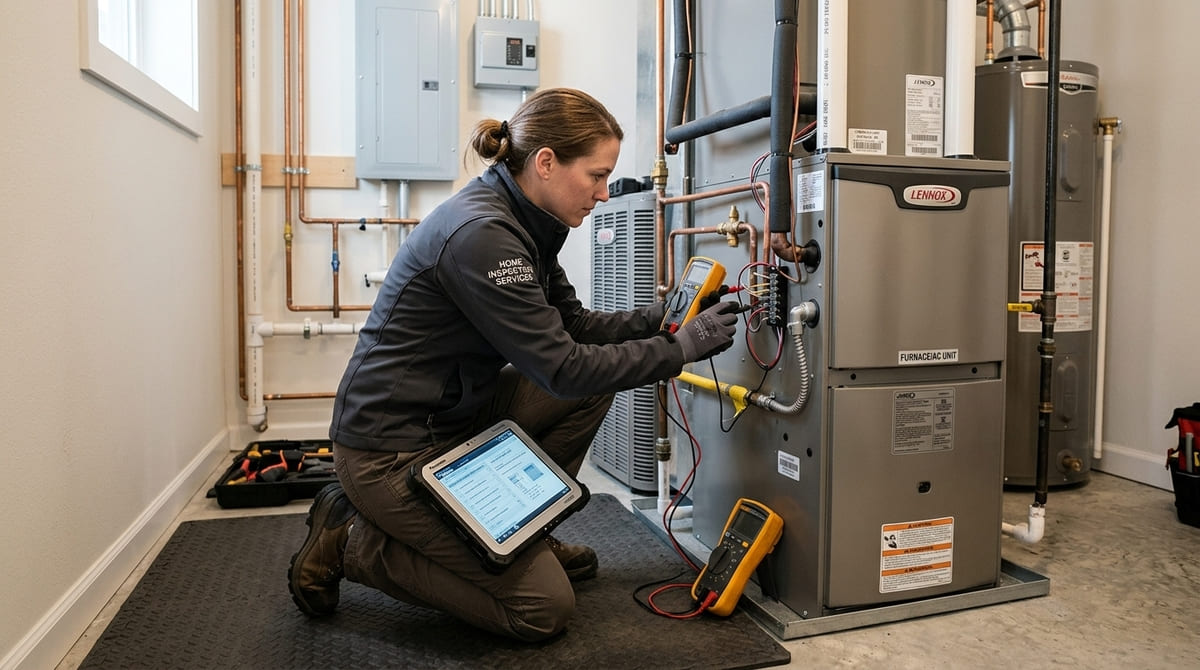
A home inspection is a professional, visual examination of a property’s condition. A qualified inspector walks through the home and assesses its major systems and components, then produces a written report detailing what they found.


The purpose is to give you, the buyer, a clear and independent picture of the home’s condition. It is different from an appraisal, which estimates the home’s market value for your lender. An inspection is about condition; an appraisal is about value. For how both fit into the wider process, see our home buying process steps guide.
When does the inspection happen?
The inspection typically takes place soon after your offer is accepted, often within the first several days. That timing matters because many offers include an inspection contingency, a clause that gives you a defined window to have the home inspected and to act on what is found. (For more on contingencies, see how to make an offer on a house.)
Acting promptly keeps you within that window and keeps the overall timeline on track.
How to choose a home inspector
You generally arrange and pay for the inspection as the buyer, which means you also choose the inspector. Buyers commonly find one through:
- A referral from their real estate agent
- Recommendations from friends or family who have bought recently
- Professional inspector associations and reviews
It is worth choosing someone experienced and well-reviewed, since the quality of the inspection depends heavily on the inspector. Some buyers interview a couple of options before deciding.
What does a home inspector check?
A general home inspection covers the major visible and accessible systems of the property. While the exact scope varies, a typical inspection looks at:
- Roof: visible condition, signs of wear or damage
- Structure and foundation: visible signs of structural issues
- Exterior: siding, drainage, walkways, and grading
- Plumbing: visible pipes, fixtures, and water flow
- Electrical: panel, outlets, and visible wiring
- Heating and cooling: the HVAC system and its operation
- Interior: walls, ceilings, floors, windows, and doors
- Attic and insulation: where accessible
- Appliances: built-in appliances, where included
It is important to understand that a standard inspection is visual and non-invasive. Inspectors do not open up walls or move heavy belongings, so an inspection has limits. Some issues, especially hidden ones, may fall outside its scope, and certain items (such as pests, radon, or sewer lines) sometimes require separate specialized inspections.
How long does a home inspection take?
A typical home inspection takes a few hours, depending on the size, age, and condition of the home. Larger or older properties generally take longer.
The written report usually follows within a day or two. As a buyer, you are often welcome to attend the inspection, which can be valuable: it lets you see issues firsthand and ask the inspector questions as they go.
Understanding the inspection report
After the inspection, you receive a written report documenting the inspector’s findings, often with photos. Reports typically distinguish between minor issues, which are common even in good homes, and more significant concerns that may need attention.
Nearly every home, even a well-maintained one, will have some findings. The goal is not a perfect report; it is an informed understanding of the home’s condition so you can decide how to proceed.
What happens if the inspection finds problems?
This is where the inspection contingency becomes important. If the report reveals significant issues, you generally have a few options:
- Proceed as planned: if the findings are minor or acceptable to you, you continue toward closing.
- Request repairs: you can ask the seller to fix certain issues before closing.
- Renegotiate: you might request a price reduction or a credit to account for needed work.
- Walk away: if the issues are serious and an inspection contingency is in place, you may be able to exit the deal.
Which path makes sense depends on the findings, the market, and your own priorities. Your real estate agent typically helps you weigh the options and handle any renegotiation.
Frequently asked questions
Who pays for the home inspection? The buyer typically arranges and pays for the inspection. Because you are paying for it, you also choose the inspector, which gives you an independent assessment of the home.
How long does a home inspection take? Most inspections take a few hours, depending on the home’s size, age, and condition. The written report usually arrives within a day or two afterward.
What does a home inspection cover? A general inspection covers major accessible systems: roof, structure, exterior, plumbing, electrical, heating and cooling, interior, and built-in appliances. It is a visual, non-invasive examination, so some issues may require separate specialized inspections.
Can you back out after a home inspection? If your offer includes an inspection contingency and the findings are significant, you may be able to renegotiate or withdraw within the terms of that contingency. The specifics depend on your contract and local practices.
Is a home inspection the same as an appraisal? No. An inspection assesses the home’s physical condition for your benefit as the buyer. An appraisal estimates the home’s market value and is required by your lender. They serve different purposes and are usually done by different professionals.
The bottom line
The home inspection process gives you an independent, professional look at a home’s condition before you commit. It happens soon after your offer is accepted, takes a few hours, and produces a report covering the property’s major systems. If problems turn up, an inspection contingency gives you room to request repairs, renegotiate, or walk away. Treated as a source of information rather than a pass-or-fail test, the inspection is one of the most useful steps in the entire home buying journey.
For how this fits into the full process, see our home buying process steps guide or our complete first-time home buyer guide.