
Key Moments
Financial Preparation
Start by organizing your savings, credit, and understanding your budget before searching.Mortgage Pre-Approval
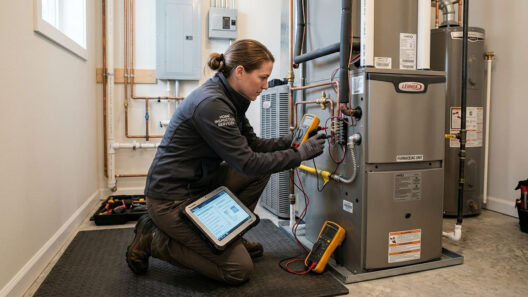
Get a lender's written estimate to define your price range and improve buying power.Home Inspection Importance
A professional inspection reveals defects and may affect renegotiation.Closing Process
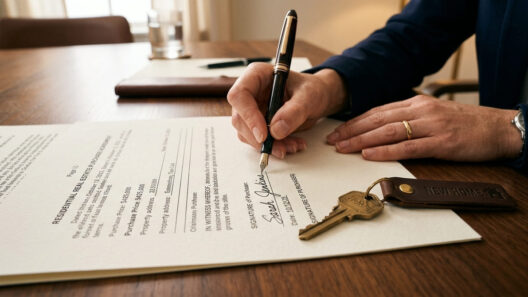
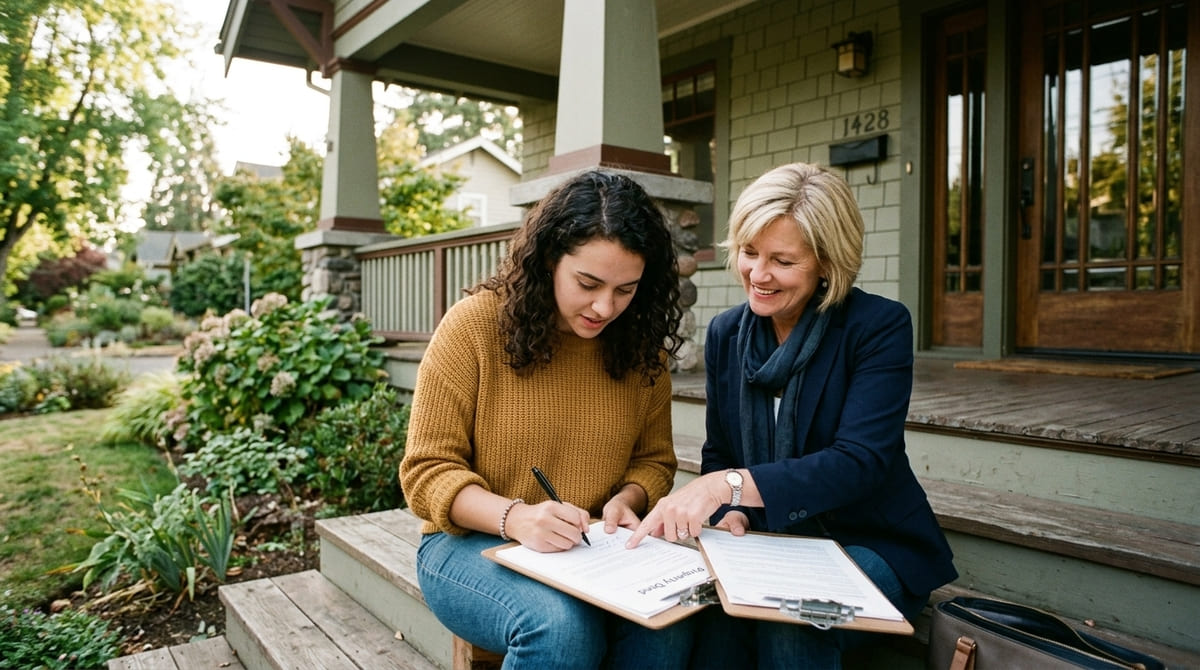
Final paperwork and payment finalize ownership and transfer the keys.Buying a house is less a single decision and more a sequence of smaller ones, spread across weeks or months. When you can see the whole sequence laid out, the process feels far less overwhelming, and you know what comes next instead of reacting to each stage as it lands.
This guide walks through the home buying process step by step, in the order things actually happen, so you know what to expect from the moment you decide to buy through to the day you get the keys.
The home buying process at a glance
Before getting into detail, here is the full sequence most buyers move through:


- Get your finances in order
- Get pre-approved for a mortgage
- Find a real estate agent
- Start house hunting
- Make an offer
- Get the home inspected
- Move through the appraisal and underwriting
- Do the final walkthrough
- Close on the house
Each step builds on the one before it. Below, we break down what happens at each stage and roughly how long it tends to take.
Step 1: Get your finances in order
Before you look at a single listing, it helps to understand where you stand financially. This is the groundwork stage, and time spent here saves headaches later.
At this point, most buyers take stock of their savings, review their credit, and get a rough sense of what they can comfortably afford. The goal is not to make any commitments yet, but to walk into the next steps with a clear picture rather than a guess.
This stage has no fixed timeline. Some people are ready in a weekend; others spend months saving or improving their credit before moving forward.
Step 2: Get pre-approved for a mortgage
A mortgage pre-approval is a lender’s written estimate of how much they would be willing to lend you, based on a review of your finances. It is not a loan guarantee, but it does two important things: it tells you a realistic price range, and it signals to sellers that you are a serious buyer.
To get pre-approved, you typically submit financial documents to a lender, who reviews them and issues a pre-approval letter. Many buyers compare offers from more than one lender at this stage.
Pre-approval often takes anywhere from a day to a week, depending on how quickly you gather your paperwork and how busy the lender is.
Step 3: Find a real estate agent
A buyer’s agent guides you through the rest of the process, helps you find listings, schedules viewings, and represents your interests when it comes time to negotiate.
Many buyers find an agent through referrals from friends and family, or by interviewing a few candidates to find someone who knows the area and communicates the way they like. Because the agent will be your main guide through the most active part of the process, it is worth choosing carefully.
Step 4: Start house hunting
This is the stage most people picture when they think about buying a home: browsing listings, attending viewings, and narrowing down what you actually want.
House hunting is the step with the most unpredictable timeline. Some buyers find the right home in a few weeks; others search for months, especially in competitive markets or when looking for specific features. Staying clear on your must-haves versus your nice-to-haves keeps the search focused.
Step 5: Make an offer
Once you find a home you want, you and your agent put together an offer. This includes your proposed price and any conditions, such as the sale depending on a satisfactory inspection.
The seller can accept, reject, or counter your offer, and a round or two of back-and-forth negotiation is common. Once both sides agree, you move into a purchase agreement and the process picks up pace. (For a deeper look at this stage, see our guide on how to make an offer on a house.)
Step 6: Get the home inspected
After an offer is accepted, most buyers arrange a home inspection. A professional inspector examines the property and reports on its condition, flagging anything from minor issues to major concerns.
The inspection gives you a clearer picture of what you are buying and can become a point of renegotiation if significant problems turn up. (We cover this stage in detail in our guide on the home inspection process.)
An inspection itself usually takes a few hours, with the written report following within a day or two.
Step 7: Move through the appraisal and underwriting
While the inspection looks at the home’s physical condition, the appraisal assesses its market value, and your lender typically requires one. Underwriting is the lender’s final, detailed review of your finances and the property before they commit to the loan.
This is largely a behind-the-scenes stage where you wait while professionals do their work, though your lender may ask for additional documents along the way. It commonly takes a few weeks.
Step 8: Do the final walkthrough
Shortly before closing, you do a final walkthrough of the home. This is your chance to confirm the property is in the condition you expect, that any agreed-upon repairs were completed, and that nothing has changed since your last visit.
The walkthrough is usually quick, but it matters: it is your last look before the sale becomes final.
Step 9: Close on the house
Closing is the final step, where ownership officially transfers to you. You review and sign the paperwork, the financial side is settled, and once everything is complete, you receive the keys.
Closing day itself is often a single appointment, though the period leading up to it involves coordination between you, your lender, and other parties.
How long does the whole process take?
Start to finish, buying a house commonly takes a couple of months once you begin seriously looking, though it varies widely depending on your finances, the market, and how long house hunting takes. The financing and closing portion alone often runs several weeks. For a full breakdown of the timeline, see our guide on how long it takes to buy a house.
Frequently asked questions
What is the first step in buying a house? The practical first step is getting your finances in order, followed closely by getting pre-approved for a mortgage. Pre-approval gives you a realistic price range and strengthens your position when you make an offer.
Can you skip any of these steps? Some steps are flexible in timing, but most are difficult to skip entirely if you are financing the purchase. Lenders generally require an appraisal and underwriting, and skipping an inspection, while possible, means buying without a clear picture of the home’s condition.
Do you need a real estate agent to buy a house? No, but many buyers choose to work with one because an agent guides the process, handles negotiations, and brings local market knowledge. Buying without an agent is possible but puts more of the legwork on you.
What is the difference between an inspection and an appraisal? An inspection assesses the physical condition of the home for your benefit as the buyer. An appraisal estimates the home’s market value, and the lender requires it to confirm the property is worth the loan amount.
The bottom line
The home buying process can feel long, but it follows a predictable order: get your finances ready, get pre-approved, find an agent, search, make an offer, inspect, move through appraisal and underwriting, do a final walkthrough, and close. Knowing what each step involves, and roughly how long it takes, turns an intimidating process into a series of manageable stages.
If you are just starting out, our first-time home buyer guide ties all of these steps together in one place.