

Key Moments
Typical Home Buying Timeline
Most buyers take two to six months from start to finish, with house hunting as the largest variable.Impact of Financing
Using a mortgage usually adds 30 to 45 days from offer acceptance to closing.Speed Factors
Cash purchases and early pre-approval significantly shorten the buying process.Common Delays
Competitive markets, financing issues, and inspection findings often extend the timeline.If you are planning to buy a home, one of the first questions on your mind is probably how long the whole thing will take. The honest answer is that it varies, but most buyers move from starting their search to holding the keys in roughly two to six months.
That range is wide because the timeline depends heavily on factors like how quickly you find a home, whether you are paying with a mortgage or cash, and how smoothly each stage goes. This guide breaks the process down stage by stage so you can build a realistic timeline for your own situation, and understand what tends to speed things up or slow them down.
The short answer
For a typical buyer using a mortgage, here is a rough timeline from start to finish:


- Getting finances ready and pre-approved: a few days to a few weeks
- House hunting: a few weeks to several months (the biggest variable)
- From accepted offer to closing: commonly around 30 to 45 days
Add those together and most people land somewhere in the two-to-six-month window. The house hunting stage is what stretches the range the most, since it can be quick or drawn out depending on your market and how specific your needs are.
Timeline stage by stage
Below is how the time tends to break down across each phase of the process. For a full walkthrough of what happens at each stage, see our guide on the home buying process steps.
Getting your finances ready: a weekend to a few months
This is the most variable early stage, because it depends entirely on where you are starting from. If your savings and credit are already in good shape, you might be ready in a weekend. If you are still saving or working on your credit, this stage can take months, but it happens before the clock on the rest of the process really starts.
Getting pre-approved: one day to one week
Once you have your financial documents together, a lender can often issue a pre-approval within a day or two. The main thing that slows this down is gathering paperwork, so having documents ready speeds it up considerably.
House hunting: a few weeks to several months
This is the single biggest swing factor in the whole timeline. Some buyers find the right home in their first week of viewings; others search for half a year or more. What affects it most:
- Market conditions: in a competitive market with low inventory, you may be outbid repeatedly, stretching the search.
- How specific your needs are: a long must-have list naturally takes longer to satisfy.
- Your flexibility: being open on location or features shortens the search.
Because this stage is so unpredictable, it is the main reason any overall estimate has to be a range rather than a fixed number.
Making an offer and negotiating: a few days to a week
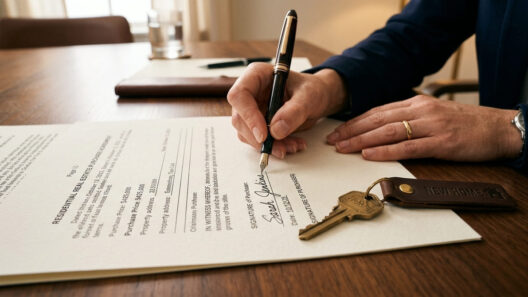
Once you find a home, putting together an offer and going back and forth with the seller usually takes a few days. A round or two of negotiation is normal. Once both sides agree and sign, you are “under contract” and the closing countdown begins. (For more on this stage, see how to make an offer on a house.)
From accepted offer to closing: about 30 to 45 days
This is the most predictable part of the process, because it follows a fairly standard sequence. Within this window:
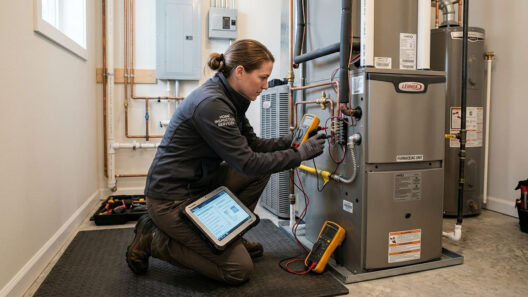
- Home inspection: scheduled within days of the offer being accepted; the inspection takes a few hours and the report follows within a day or two. (See the home inspection process for detail.)
- Appraisal: ordered by your lender, usually completed within a couple of weeks.
- Underwriting: the lender’s final review, which runs in the background over several weeks and may involve requests for extra documents.
- Final walkthrough and closing: the walkthrough happens shortly before closing day, and closing itself is typically a single appointment.
For most mortgage buyers, this offer-to-closing stretch is the 30-to-45-day figure you will often hear quoted.
What speeds up the timeline
Several things can shorten the overall process:
- Paying with cash: removing the mortgage removes underwriting and appraisal-for-lender steps, which can cut weeks off the timeline.
- Having documents ready: prompt paperwork keeps pre-approval and underwriting moving.
- Getting pre-approved early: you can move fast when you find the right home instead of starting financing from scratch.
- Being responsive: quickly answering lender requests and signing documents avoids dead time.
- Flexibility in your search: fewer hard requirements means a faster house hunt.
What causes delays
And several things commonly slow it down:
- A long or competitive house hunt: by far the most common reason the overall timeline stretches.
- Financing hiccups: missing documents or changes in your financial situation can hold up underwriting.
- Inspection findings: significant issues can trigger renegotiation or further investigation.
- Appraisal gaps: if the appraised value comes in lower than the offer, it can require renegotiation.
- Paperwork and coordination: delays in scheduling, responses, or document signing add up.
Most of these are at least partly within your control, which is why preparation makes such a difference to the total time.
Does paying cash make it faster?
Yes, generally. A cash purchase skips the mortgage entirely, which removes underwriting and the lender-required appraisal from the timeline. Cash buyers can sometimes close in as little as a couple of weeks, since the main remaining steps are the inspection, title work, and paperwork rather than loan processing.
Frequently asked questions
How long does it take to buy a house from start to finish? For most buyers using a mortgage, the whole process commonly takes two to six months. The house hunting stage is the biggest variable, while the stretch from accepted offer to closing is usually around 30 to 45 days.
How long does it take to close on a house? Once your offer is accepted, closing typically takes about 30 to 45 days for a financed purchase. Cash purchases can close faster, sometimes within a couple of weeks.
Can you buy a house in 30 days? It is possible, especially with a cash purchase or if you are already pre-approved and find a home quickly. For most financed purchases, though, the offer-to-closing period alone takes around 30 to 45 days, so a full purchase in 30 days is ambitious but not impossible.
What takes the longest when buying a house? House hunting is usually the longest and least predictable stage. After that, the offer-to-closing period, particularly underwriting and appraisal, accounts for most of the remaining time.
Does getting pre-approved speed things up? Yes. Being pre-approved before you start seriously shopping means you can move quickly when you find the right home, rather than beginning the financing process only after your offer is accepted.
The bottom line
There is no single answer to how long it takes to buy a house, but a realistic expectation for most buyers is two to six months from starting the search to closing. The financing-and-closing portion is fairly predictable at around 30 to 45 days; it is the house hunt that makes the biggest difference to your personal timeline. Preparing your finances early, getting pre-approved, and staying responsive throughout are the most effective ways to keep things moving.
For the full picture of what happens at each stage, start with our home buying process steps guide, or see our complete first-time home buyer guide