
Key Moments
Common Scam Tactics
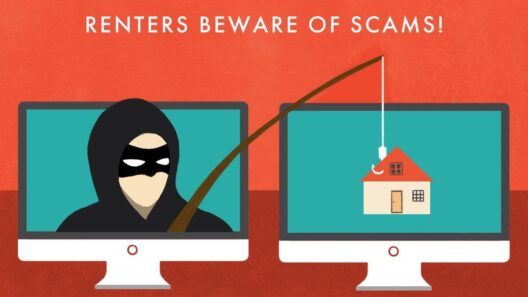
Scammers use fake ads, below-market rents, and urgent untraceable payment requests to deceive renters.Why Facebook is Vulnerable
Its free, lightly vetted platform allows easy posting and copying of real listings by scammers.Red Flags to Watch For
New profiles, inability to show unit, pressure to pay fast, and requests for gift cards or crypto are warning signs.Safe Renting Tips
Verify photos, insist on in-person tours, avoid upfront deposits without seeing, and confirm ownership before paying.If you’re apartment hunting on Facebook, be careful, because it is the platform where rental scams are reported most. According to the Federal Trade Commission, about half of the people who reported a rental scam in the year ending June 2025 said it started with a fake ad on Facebook. The listings look real, the “landlords” seem friendly, and the rent is tempting, which is exactly the point. Here is how Facebook Marketplace rental scams work and how to avoid them.
Quick facts: Facebook rental scams
| Detail | What to know |
|---|---|
| Most reported platform | About half of reported rental scams start on Facebook (FTC) |
| Typical bait | Below-market rent and attractive photos |
| Common ask | A deposit before you tour, paid by a hard-to-trace method |
| Usual excuse | The “landlord” is out of town and can’t show the unit |
| Where money goes | Zelle, Cash App, gift cards, wire, or crypto, all hard to recover |
Why Facebook Marketplace attracts rental scammers
Marketplace and local housing groups are free, huge, and lightly vetted, which is ideal for scammers. Anyone can post a listing or message you from a profile that took minutes to create. Scammers copy photos and descriptions from real listings, or from homes that are actually for sale, and repost them as rentals at a low price to grab attention fast. Because Facebook feels social and familiar, people let their guard down more than they might on a dedicated rental site.
How the scam usually plays out
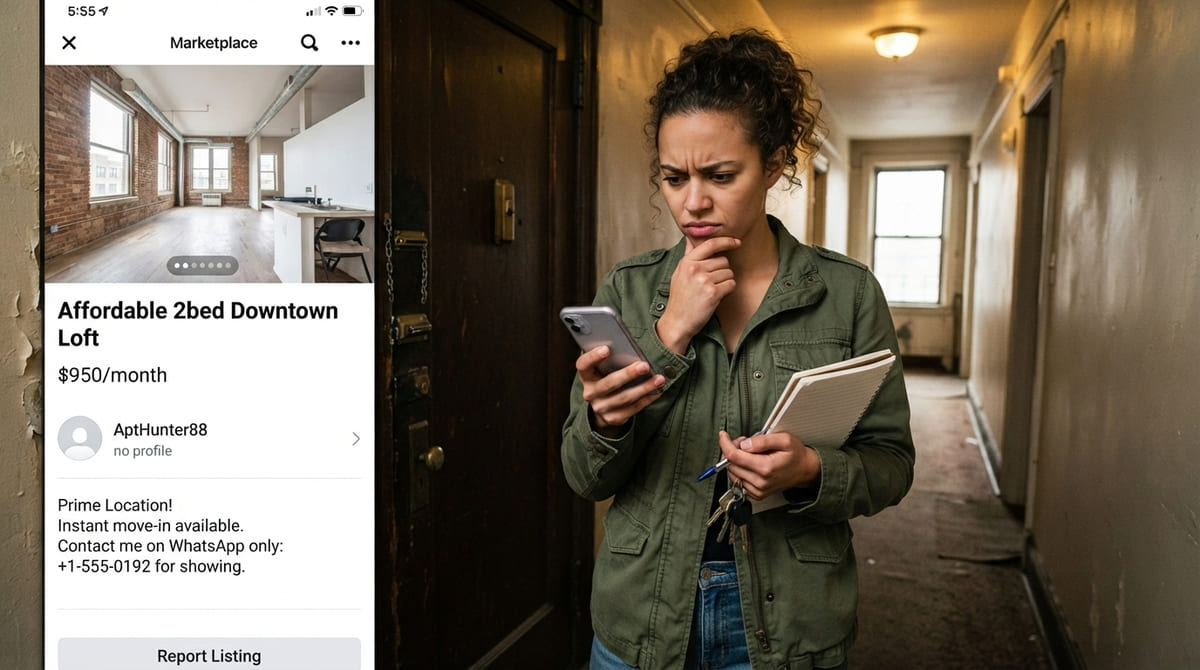
A typical Facebook rental scam follows a script. You spot a great-looking unit priced below the going rate. You message, and the “landlord” responds warmly but explains they’re out of state, out of the country, or otherwise unable to show the place in person. To “hold” it, they ask for a deposit or first month’s rent, sent by Zelle, Cash App, gift cards, wire transfer, or cryptocurrency. Once you pay, they disappear, and you discover the unit was never theirs, or never for rent at all.

Red flags on Facebook Marketplace
- A brand-new or sparse profile. Scammer accounts often have little history, few friends, and a recently created profile.
- Rent well below market. If it’s dramatically cheaper than comparable units nearby, be suspicious.
- The landlord can’t meet or show the unit. “I’m out of town” is the most common excuse for avoiding an in-person tour.
- Pressure to pay fast to “hold” it. Urgency is designed to stop you from verifying.
- Untraceable payment methods. Requests for Zelle, Cash App, gift cards, wire, or crypto before you’ve seen the place are a major warning sign.
- The listing appears elsewhere. The same photos posted under different names or prices point to a hijacked listing.
How to rent safely on Facebook
- Reverse-search the photos to see if they appear on other listings or a for-sale page.
- Search the address to confirm it exists and isn’t listed by a different owner or as a home for sale.
- Insist on an in-person tour before paying anything. If you can’t go, send someone you trust.
- Never pay to “hold” a unit you haven’t seen, and avoid payment methods with no fraud protection.
- Verify the person owns or manages the property before money changes hands.
For the complete list of warning signs that apply across every platform, see our guide to rental scams.
Frequently asked questions
Are rental listings on Facebook Marketplace safe? Some are legitimate, but Facebook is the most reported source of rental scams, so treat listings with extra caution and verify before paying.
What payment methods do rental scammers ask for? Typically Zelle, Cash App, gift cards, wire transfers, or cryptocurrency, because those are hard to trace and nearly impossible to reverse.
How do I report a rental scam on Facebook? Report the listing and profile to Facebook, and file a report with the FTC at ReportFraud.ftc.gov.
Protect the rest of your search
Facebook is just one venue. Scammers run the same playbook on other sites too, so it’s worth knowing how Craigslist rental scams and Zillow rental scams differ. And before you commit to any place, our guide on how to rent an apartment walks through doing it safely from search to lease.
This article is for general informational purposes only. If you believe you’ve encountered a rental scam, report it to the platform and to the FTC at ReportFraud.ftc.gov.