
Key Moments
Income Variability by Facility Size
Owner income ranges widely depending on small, mid-size, or large facilities and their characteristics.Distinction Between Revenue, NOI, and Owner Take-Home
Gross revenue, net operating income, and owner take-home pay differ significantly and impact actual earnings.Key Profit Influencers
Occupancy, debt load, expense management, and extra revenue streams drive profitability.Passive vs Active Ownership
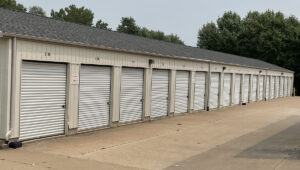
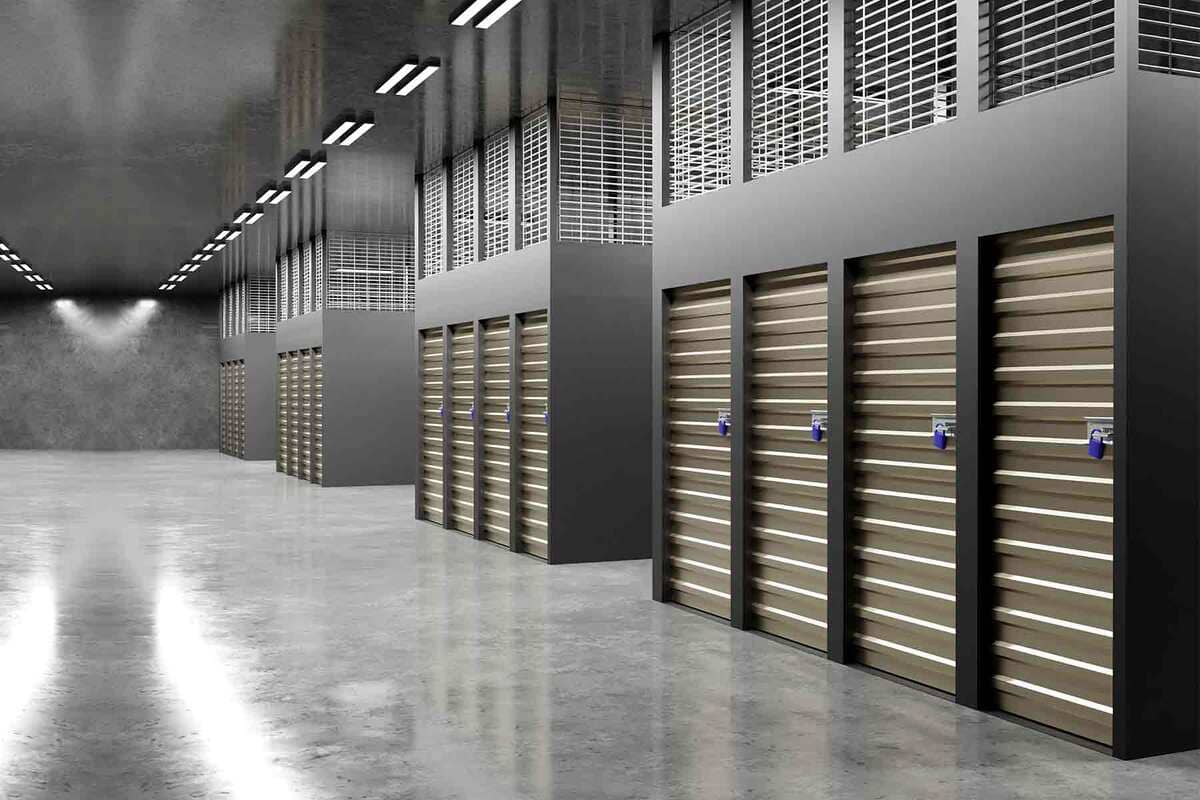
Owners may pay themselves a salary when active or rely on management companies with lower personal involvement.Most self storage owners net somewhere between $50,000 and $500,000 per year, and the wide range is not vagueness, it is the honest answer. A small rural facility with 50 units and a large urban facility with 500 climate-controlled units are entirely different businesses that happen to share an industry. Industry figures often cited as the “average” put annual owner profit around $184,500, which is a reasonable midpoint for a decently run mid-size facility, but treat it as a reference point, not a promise.
The bigger problem with most income figures you will find online is that they mix up three different numbers: gross revenue, net operating income, and what the owner actually takes home. This guide separates them.
Quick Facts: Self Storage Owner Income
| Detail | Estimate |
|---|---|
| Typical annual net operating income | $50,000 to $500,000+ |
| Commonly cited average annual profit | Around $184,500 |
| Mid-size facility gross revenue (strong market) | $350,000 to $800,000 per year |
| Typical operating expense ratio | 30% to 40% of gross revenue |
| Typical ROI for storage investments | 8% to 12% per year |
| Average unit rent (national) | Around $100 per month |
| Biggest income drivers | Facility size, location, occupancy, debt load |
All figures are industry estimates and vary widely by market. Your results depend on the specific facility.


Revenue, Profit, and Owner Pay Are Three Different Numbers
When you see a figure like “storage facilities make $20,000 to $50,000 a month,” that is usually gross revenue: every dollar of rent collected before a single expense is paid. It is not what the owner earns.
Here is how the money actually flows:
- Gross revenue is total rent plus extras like locks, boxes, insurance, and late fees. A mid-size facility in a strong market might gross $350,000 to $800,000 a year.
- Net operating income (NOI) is what remains after operating expenses: property taxes, insurance, utilities, maintenance, staffing, marketing, and management. Storage facilities typically run an operating expense ratio of 30% to 40%, which is low compared to most real estate, and it is the main reason investors like the asset class.
- Owner take-home is NOI minus debt payments. This is the number that matters, and it is the one most articles skip. An owner who paid cash keeps nearly all of the NOI. An owner servicing a large loan might keep half of it or less.
A simple worked example: a 20,000 square foot facility charging $1 per square foot per month grosses about $240,000 a year. At a 40% expense ratio, roughly $96,000 goes to operations, leaving around $144,000 in NOI. With no mortgage, that is the owner’s income. With $60,000 a year in loan payments, take-home drops to about $84,000. Same facility, very different outcomes.
Income by Facility Size
Size is the single biggest variable, since rentable square footage caps what a facility can ever earn.
- Small facilities (under 20,000 sq. ft., often rural or single-operator): NOI commonly lands in the $50,000 to $150,000 range. Many are semi-passive side businesses rather than full-time incomes.
- Mid-size facilities (20,000 to 100,000 sq. ft.): the sweet spot behind most of the quoted averages, with NOI frequently in the $150,000 to $400,000 range in healthy markets.
- Large facilities (100,000+ sq. ft., urban, climate-controlled): can clear $500,000 to $1 million in annual profit, but these compete directly with the big REIT operators and require professional management.
Location multiplies everything. Urban facilities near universities, military bases, or fast-growing suburbs command higher rent per square foot and stay fuller. The same building in a saturated small town might struggle to hold 70% occupancy at half the rate.
What Moves the Number Up or Down
Four factors explain most of the gap between a struggling facility and a thriving one:
- Occupancy. The industry rule of thumb is that a facility needs healthy occupancy, often cited around 80% or higher, before it produces meaningful profit. Every empty unit is pure lost margin.
- Debt. Two owners with identical facilities can have wildly different incomes based purely on how much they borrowed and at what rate.
- Expense control. Automation (smart locks, online rentals, remote monitoring) lets small facilities run with little or no staff, and staffing is one of the largest controllable costs.
- Extra revenue streams. Selling locks, boxes, and tenant insurance, adding truck rental, or offering RV and boat storage can add meaningful income on top of base rent. Month-to-month leases also let owners raise rates faster than almost any other property type.
Do Storage Owners Pay Themselves a Salary?
It varies. Owners who operate the facility full time often pay themselves a modest monthly salary and take the remaining profit as periodic distributions. Owners who treat the facility as a passive investment usually take distributions only, letting a management company run daily operations for roughly 4% to 6% of revenue, which comes out of the profit figures above.
That distinction matters when you compare storage to a job. A $150,000 NOI facility that requires 30 hours of your week is a job with good pay. The same facility under third-party management might net you $120,000 for a few hours of oversight a month.
Is the Income Worth the Investment?
Returns in the 8% to 12% range are commonly cited for storage investments, competitive with most real estate classes, with lower maintenance and steadier demand through downturns. But the income figures in this guide assume a facility that was bought or built at a sensible price in a market that is not oversupplied, and plenty of markets now are. Whether the business case holds in your area is a separate question from how much owners make, and we cover it in our guide on whether a self storage business is profitable.
If the numbers still look attractive, the two paths in are building or buying. Building costs more and takes longer but lets you pick the market; our guide on how to start a self storage business walks through it. Buying an existing facility gets you cash flow from day one, and how to buy a self storage facility covers what to check before you do. A lower-cost entry point worth knowing about is the container storage model, which trades permanence for a fraction of the startup cost.
FAQ
How much does the average self storage owner make per year?
Industry figures commonly cite around $184,500 in average annual profit, with the realistic range for most owners falling between $50,000 and $500,000 in net operating income depending on facility size, market, and debt.
How much does a storage facility make per month?
Gross revenue of $20,000 to $50,000 per month is typical for an established mid-size facility, but that is before expenses and loan payments. Owner take-home is usually well under half of gross.
What profit margin do storage units have?
With operating expenses typically consuming 30% to 40% of revenue, storage facilities often run profit margins of 40% or more before debt service, among the highest in real estate.
Is owning storage units passive income?
Partially. Automation and third-party management can make it close to passive, but pricing decisions, maintenance surprises, and competition still require owner attention. Fully hands-off ownership usually means giving up 4% to 6% of revenue to a management company.
How many storage units do you need to be profitable?
There is no magic number, but the math favors scale: a facility needs enough rented units to cover fixed costs like property taxes and insurance before profit begins. Small facilities under 50 units often work best as low-overhead, automated side businesses.
Disclaimer: This article is for general informational purposes only and does not constitute financial or investment advice. Income figures are industry estimates that vary significantly by market, facility, and management. Do your own due diligence before making any investment decision.