
Key Moments
Build vs Buy Decision
Choosing to build or buy shapes financing, timing, and income potential.Market Research Importance
Evaluating local demand ensures your facility meets actual market needs.Financing Options
SBA loans and seller financing provide accessible capital with manageable down payments.Profitability Management
Maintaining economic occupancy and leveraging ancillary income maximizes profits.Starting a self-storage business means deciding whether to build or buy a facility, proving there is real demand in your market, financing the deal, and then running it to keep units full at profitable rates. It is commercial real estate, so the capital is significant and the underwriting matters, but it remains one of the more resilient and approachable ways into income-producing property. This guide walks the full path at a high level and links to the detailed playbook for each step.
| Quick facts | |
|---|---|
| Two routes in | Build a new facility, or buy an existing one |
| Ground-up build cost | Roughly $1.25M to $3.5M for a 50,000 sq ft facility (estimate) |
| Buy an existing facility | Under $1M to $5M+, driven by income and cap rate |
| Common financing | SBA 7(a) or 504, conventional, or seller financing |
| Healthy occupancy | Around 88% to 92% economic occupancy when stabilized |
| Lower-cost entry points | Container, RV and boat, or converted-building storage |
Step 1: Decide to build or buy
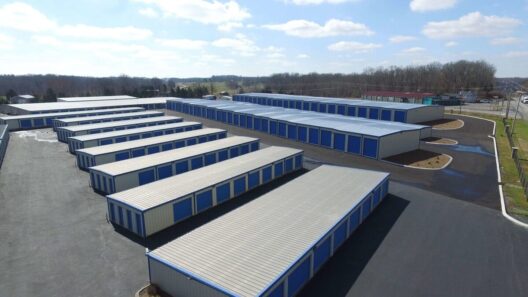
Your first fork sets everything that follows. Building lets you create exactly the facility your market needs and force value, but it costs more, takes 12 to 24 months, and starts with a slow lease-up before income arrives. Buying an existing facility costs you for proven income but lets you collect rent immediately and underwrite against real numbers. Most first-time owners find buying easier to finance and analyze. The full process, including how to verify a seller’s income and value a facility, is in how to buy a self storage facility.
Step 2: Research the market
Storage demand is intensely local, so before committing to any site you need to know whether the trade area can support a facility. That means defining a 3 to 5 mile radius, measuring existing supply against population, and, most importantly, verifying real demand by checking competitor occupancy and rates. The structured way to do this is a self storage feasibility study, which you can run in preliminary form yourself before paying for a professional one. The national market in 2026 is stabilizing but sharply local, so a careful read of your specific submarket matters more than any headline. See self storage industry trends for the current backdrop.

Step 3: Choose your facility type
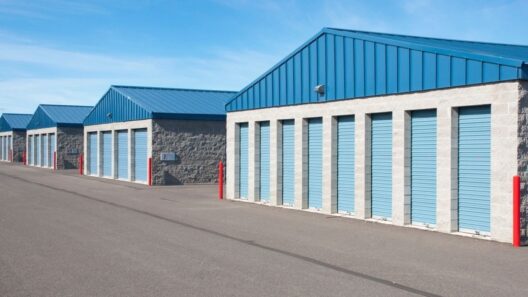
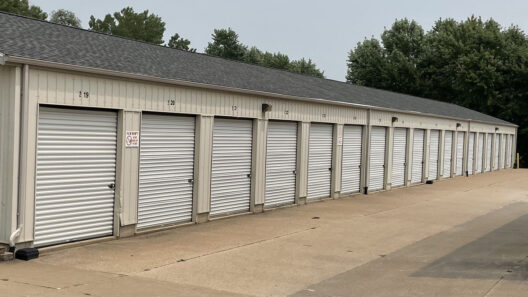
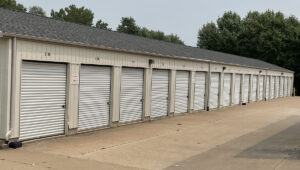
Self-storage is not one product. Your market research should tell you which type fits local demand:
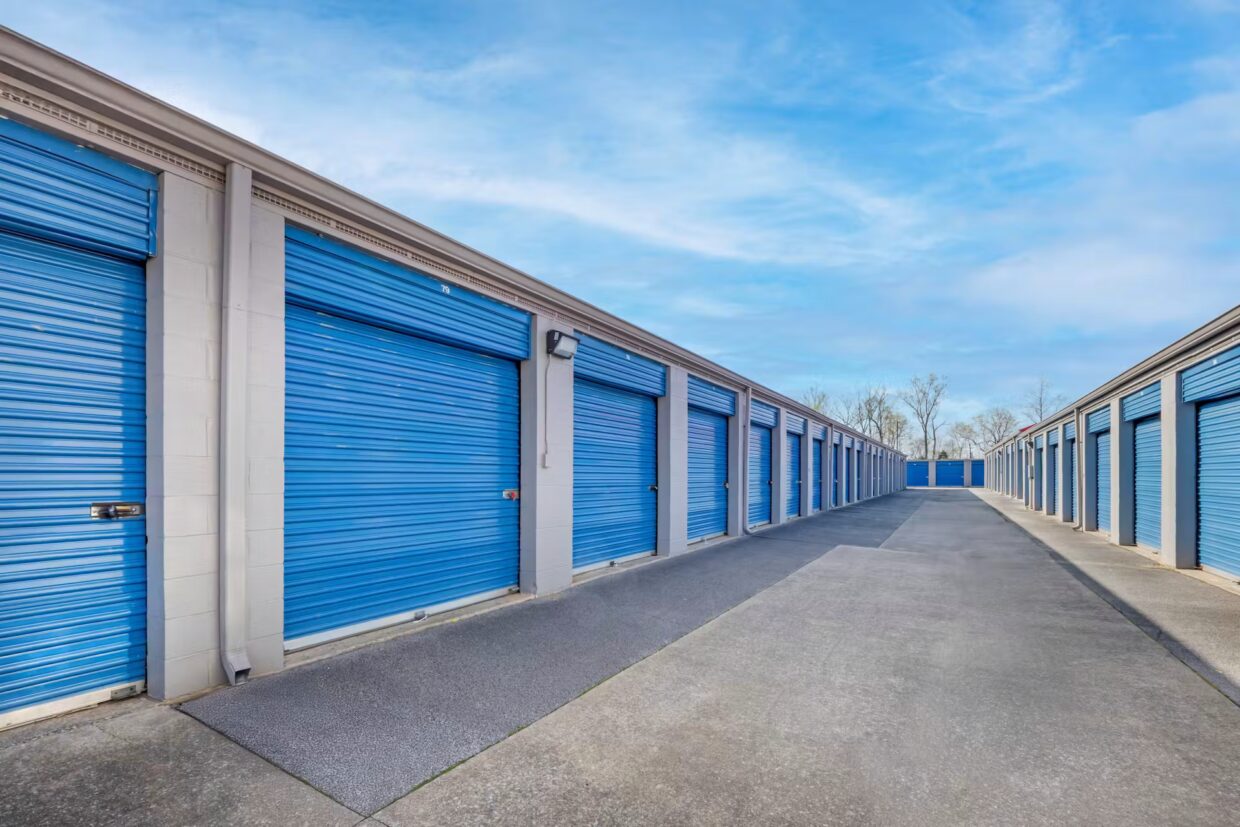
- Traditional drive-up and multi-story units, the core of the industry.
- Climate-controlled storage, which earns a premium where renters will pay for it.
- RV and boat storage, a fast-growing niche that needs cheap land and lots of it.
- Container storage, the cheapest on-ramp, using shipping containers on a lot.
A mix often serves the widest demand and lifts your revenue per square foot.
Step 4: Understand the costs
Know the numbers before you fall for a site. A ground-up 50,000 square foot build commonly runs $1.25 million to $3.5 million for construction, with single-story building at roughly $25 to $65 per square foot and multi-story higher. Buying ranges from under $1 million for a small rural facility to $5 million or more in a metro. Beyond the headline, budget for land, permitting, security, insurance, software, and working capital to cover the lease-up. The full line-item breakdown, plus land requirements and the build-versus-buy math, is in cost to start a self storage business.
Step 5: Finance the deal
Most new owners do not pay cash. The common route is an SBA loan, the 7(a) for flexibility (acquisition plus working capital) or the 504 for a lower fixed rate on real estate, both with down payments far below conventional commercial debt, often around 10%. Whatever the source, lenders test the deal against a debt service coverage ratio, typically wanting income to cover debt by at least 1.25 to 1.3 times. The programs, rates, and terms are detailed in SBA loans for self storage.
Step 6: Write the business plan
Lenders and investors require a plan, and writing one forces you to confront whether the deal works. A complete self-storage business plan covers the executive summary, market analysis, facility and unit-mix design, marketing, operations, management, and a multi-year financial model. Use the structure and template in the self storage business plan guide, which is also your single most important document for securing financing.
Step 7: Operate for profit
Once open or acquired, profitability comes down to keeping units full at real rates. The biggest levers are location, economic occupancy (what you actually collect, not just how full you are), unit mix, and disciplined rate management, since month-to-month leases let you raise rates over time. Add ancillary income from locks, boxes, insurance, and late fees, and use management software for billing, gate access, and online rentals. The full profitability picture, including margins and income ranges, is in is a self storage business profitable.
Is a self-storage business right for you?
Self-storage earns its reputation for stability. Demand holds across economic cycles, and the model carries lower staffing and maintenance than most commercial real estate. But it is capital-intensive and not passive, and 2026’s market rewards discipline over expansion. If you buy or build right in a genuinely undersupplied market, underwrite conservatively, and operate with rate discipline, it can be a durable income-producing asset. If you cut corners on the market research or the financial model, it is an expensive mistake. The difference is almost always in the homework done before the first dollar is spent.
Frequently asked questions
How much money do you need to start a self-storage business? A ground-up build commonly runs $1.25 million to $3.5 million in construction, while buying an existing facility ranges from under $1 million to $5 million or more. SBA financing can lower the cash needed to around 10% down. Lower-cost entry points include container or RV and boat storage.
Is a self-storage business profitable? It can be, with operating margins often in the 35% to 45% range before debt, but profitability depends heavily on location, occupancy, and management rather than industry averages. See the full breakdown in is a self storage business profitable.
Is it better to build or buy a self-storage facility? Buying is usually easier to finance and analyze because it has real income to underwrite, while building lets you create value but costs more and takes longer. The right choice depends on your capital, timeline, and local market.
Do I need experience to start a self-storage business? Not necessarily. Many first-time owners succeed, though lenders prefer to see relevant business experience, strong management systems, or a third-party operator to bridge any gap.
How long does it take to start a self-storage business? Buying an existing facility can close in a few months. Building from the ground up commonly takes 12 to 24 months from planning through permitting, construction, and opening, followed by a 1 to 2 year lease-up to stabilized occupancy.
This article is for general informational purposes only and is not financial, investment, or legal advice. Cost and income figures are estimates that vary widely by market and over time. Verify all numbers with local data and a qualified professional before making any investment decision.