
Key Moments
Understanding Climate Control
Climate-controlled units maintain steady temperature and humidity to protect sensitive items from damage.Pricing Premiums
These units rent for about 20% to 30% more than standard units, especially in supply-constrained markets.Cost Implications
Higher construction and utility costs come with HVAC and insulation requirements.When Climate Control Pays Off
Best suited for undersupplied or premium markets with demand for sensitive-item storage.A climate-controlled storage business offers indoor units that hold a steady temperature, and often humidity, year-round. For an operator, the appeal is straightforward: these units command higher rent and tend to hold their rates better than basic drive-up storage. The trade-off is that they cost more to build and run. This guide covers what climate control actually means, the premium it earns, what it costs, and when adding it pays off.
This sits within the wider decision of what kind of facility to build, covered in how to start a self storage business and the startup-cost breakdown.
| Quick facts | |
|---|---|
| What it is | Indoor units kept at a steady temperature, often with humidity control |
| Rent premium | Commonly 20% to 30% over standard units (higher in prime markets) |
| Typical rate example | Around $134 per month for a 10×10, versus about $119 non-climate |
| Higher costs | HVAC, insulation, and ongoing utility expense |
| Best for | Electronics, documents, wood and leather furniture, art, instruments |
| When it pays | Undersupplied or premium markets where renters will pay up |
What climate control actually means
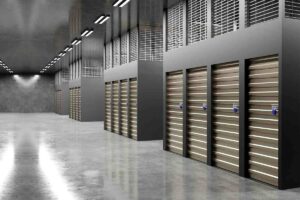
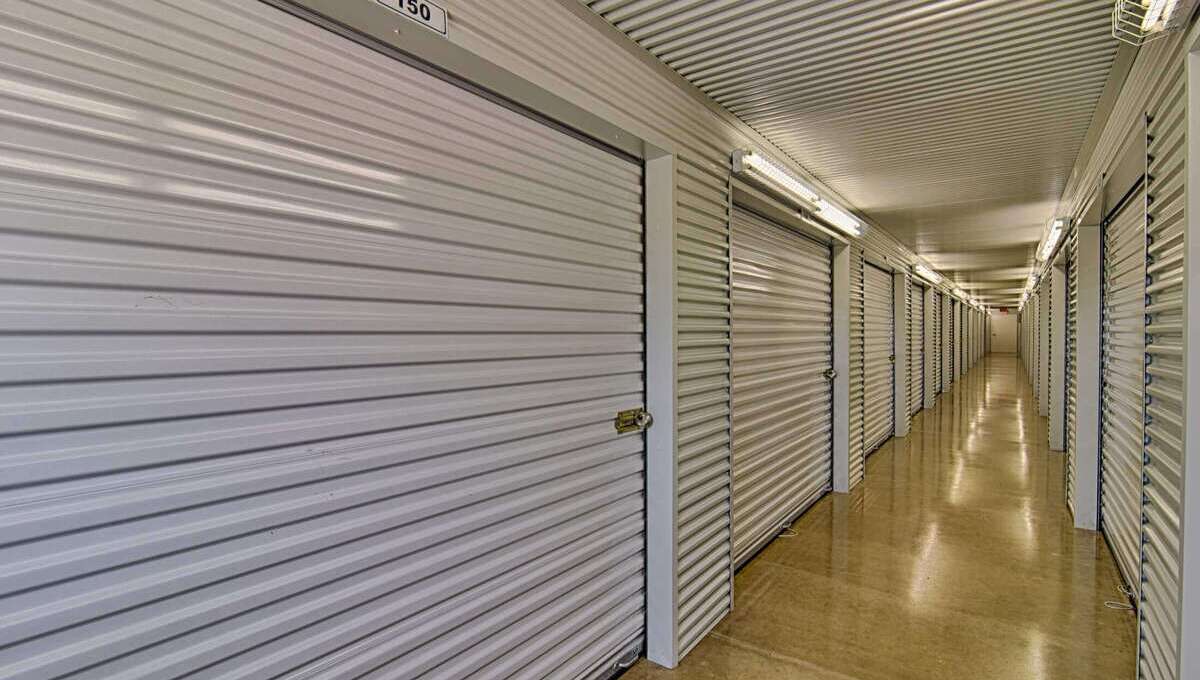
Climate-controlled units are kept within a stable temperature range, typically indoors and often with humidity regulation, to protect contents from the heat, cold, and moisture swings that damage sensitive items. This is the practical difference from a standard drive-up unit, which sits at outdoor temperatures. It is why customers pay more: their belongings are genuinely better protected.
The premium it earns
The reason operators add climate control is pricing power. These units commonly rent at a premium of around 20% to 30% over comparable standard units, and more in dense, supply-constrained markets. As a national snapshot, a climate-controlled 10×10 has recently averaged roughly $134 per month against about $119 for non-climate. Just as important in a soft market, climate-controlled inventory tends to hold its rates better where new supply is limited, which supports steadier revenue. The full revenue picture is in is a self storage business profitable.
What it costs to offer
The premium is not free. Climate-controlled space carries higher construction costs because it needs HVAC systems and insulation, and it carries higher ongoing operating costs from the utilities that run them. In construction terms, climate-controlled and multi-story builds sit at the upper end of the per-square-foot ranges, well above a simple single-story drive-up facility. You are trading a larger upfront and operating cost for a higher and more durable rental rate.
What customers store in them
Climate-controlled demand comes from items that outdoor units can damage:
- Electronics and appliances
- Important documents, photos, and media
- Wood and leather furniture
- Artwork, antiques, and collectibles
- Musical instruments
- Wine and other temperature-sensitive goods
- Business inventory that must not degrade
Marketing to these use cases, rather than competing only on price, is how climate-controlled units justify their premium.
When adding climate control pays off
Climate control is not automatically the right call. It pays off best when:
- Your market is undersupplied or premium, so renters will pay the higher rate.
- Local demand favors sensitive-item storage, which your feasibility study and competitor rate survey should confirm.
- You can absorb the higher build and utility costs within a financing structure that still pencils out in your business plan.
In a hot, oversupplied market where everyone is discounting, the premium can compress. In an undersupplied market with affluent or business renters, a strong climate-controlled mix can meaningfully lift your yield per square foot. The decision should come straight out of your local market data, not a national average.
Frequently asked questions
Is climate-controlled storage more profitable? It can be, because the units rent at a premium of roughly 20% to 30% and hold rates better in supply-constrained markets. But the higher build and utility costs mean the advantage depends on charging enough to cover them, which works best in undersupplied or premium markets.
How much more does climate-controlled storage rent for? Commonly 20% to 30% above comparable standard units, with a recent national example around $134 per month for a climate-controlled 10×10 versus about $119 for non-climate. The premium runs higher in dense, low-supply markets.
What temperature are climate-controlled units kept at? They are held within a stable, moderate range and are often humidity-controlled. The exact setting varies by operator and region, but the goal is to avoid the extremes that damage sensitive belongings.
Is climate control worth it for a new facility? It depends on your market. In undersupplied or premium areas with demand for sensitive-item storage, a climate-controlled mix can lift revenue. In oversupplied markets where rates are already discounted, the premium may not justify the added cost.
This article is for general informational purposes only and is not financial or investment advice. Rate and cost figures are estimates that vary by market and over time. Verify local data and consult a qualified professional before committing capital.