
Key Moments
Identify Rate vs. Usage
Compare current and last year’s cost per kWh and total kWh to find if rate or usage caused the increase.Major Energy Consumers
Heating and cooling represent about half of home energy use and mostly drive seasonal bill spikes.Hidden Energy Drains
Standby loads, old appliances, and poor insulation quietly increase energy consumption.Easy Cost-Saving Habits
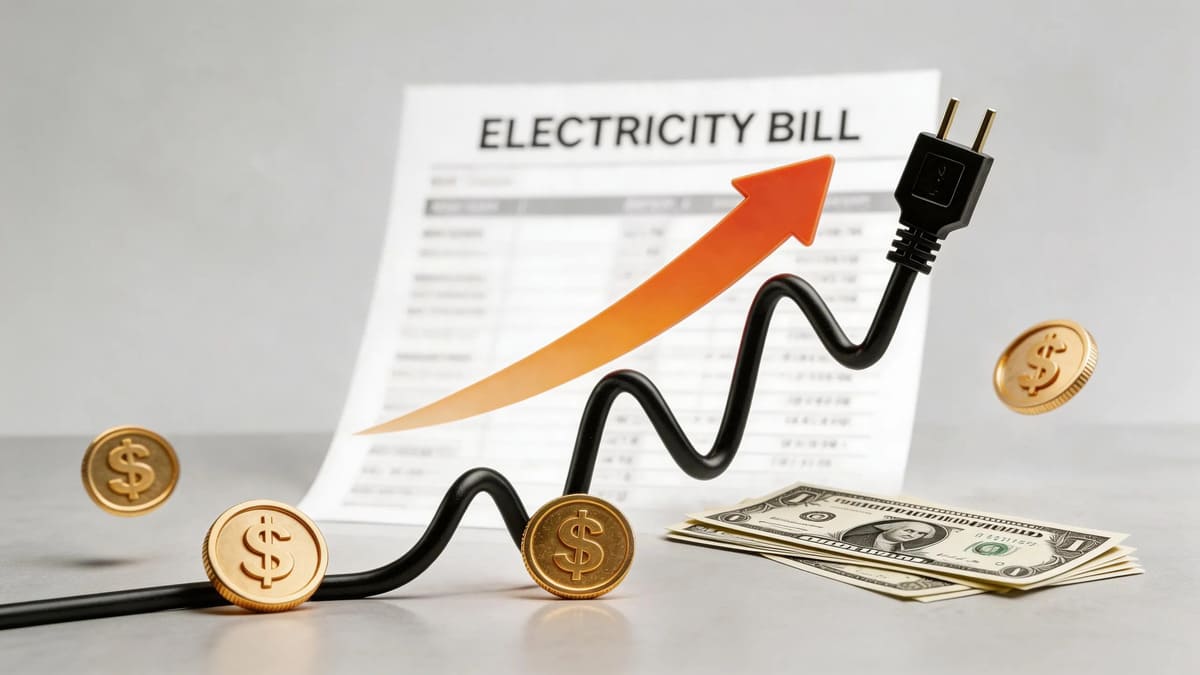
Simple fixes like thermostat setbacks, LED bulbs, and smart power strips can lower bills effectively.Your electric bill is probably high for one of a handful of common reasons: your utility raised its rates, seasonal heating or cooling is working harder, an old or failing appliance is drawing extra power, or devices are quietly pulling standby power around the clock. The fastest way to pin down which one it is: compare both your cost per kWh and your total kWh against the same month a year ago.
Quick facts
| Most common cause | Heating and cooling, roughly half of home energy use |
| Rate or usage? | Check whether your cost per kWh rose, or your kWh went up |
| Hidden drains | Standby loads, old appliances, poor insulation |
| Best comparison | The same month last year, not last month |
| Quick wins | LED bulbs, smart power strips, thermostat setback |
First, figure out if it is rates or usage
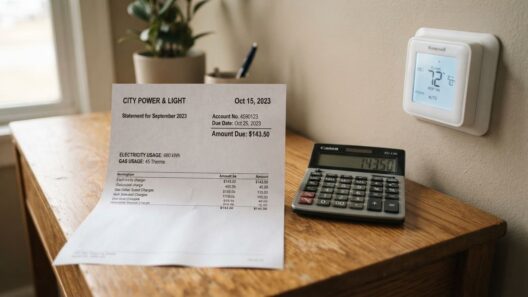
Before you hunt for a culprit, split the problem in two. Your bill is your usage (the number of kilowatt hours you used) multiplied by your rate (the price per kWh). Pull out this bill and one from the same month last year, and look at two lines: the cost per kWh and the total kWh used. If the per-kWh cost went up, a rate increase is driving your bill. If the kWh went up, your usage is the cause. That one check saves a lot of guesswork.
Common reasons your electric bill is high
Seasonal heating and cooling
Heating and cooling make up close to half of a typical home’s energy use, so any stretch of extreme heat or cold sends the bill up. An air conditioner running through a heat wave, or electric heat during a cold snap, is the single biggest swing most people see.
Rising utility rates
Even if your habits never change, your rate can. Average US residential electricity prices have climbed in recent years, and utilities adjust prices for fuel costs and grid upgrades. A higher per-kWh rate quietly raises every future bill.
Old or inefficient appliances
Aging equipment is a slow leak. An old refrigerator can use around a third more energy than a newer efficient model, and worn HVAC systems and water heaters work harder for the same result.
Phantom or standby loads
Many devices draw power whenever they are plugged in, even switched off. This standby draw can account for something like 5 to 10 percent of home electricity use, spread across chargers, TVs, game consoles, and small appliances.
Poor insulation and drafts
Gaps around windows and doors let heated or cooled air escape, forcing your HVAC system to run longer to hold the same temperature. In an older building, this can add a noticeable chunk to winter and summer bills.
Time-of-use pricing
If you are on a time-of-use plan, electricity costs more during peak evening hours. Running the dishwasher, laundry, or AC hard during those windows costs more than the same use overnight.
How to lower your electric bill
Most of the fixes are cheap habits, and they work whether you own or rent:
- Set the thermostat back several degrees while you sleep or are out, and use fans to delay reaching for the AC.
- Switch to LED bulbs and turn off lights in empty rooms.
- Put electronics on smart power strips so a cluster of devices actually powers down.
- Run the dishwasher and laundry only with full loads, and wash clothes in cold water.
- Use curtains or blinds to block summer heat and let in winter sun.
- Seal drafts around doors and windows with weatherstripping or a door draft stopper.
Renting? You still have plenty of control, even without renovating. Focus on habits and lease-friendly changes like LED bulbs, draft stoppers, and smart power strips. For bigger issues, such as failing common-area lighting or poor insulation, flag them to your landlord or property manager, since efficient upgrades lower costs for everyone.
When a high bill signals a real problem
A sudden, unexplained spike is worth investigating. A running toilet or a failing appliance can double usage, and utilities sometimes send a bill based on an estimated meter reading rather than an actual one. Check that your bill is based on a real read, and if the numbers still do not add up, contact your provider about a possible billing error.
Smoothing out the swings
If your bills lurch up and down with the seasons, ask your provider about budget billing, which averages your yearly cost into a steady monthly amount. It does not lower what you use, but it makes the bill predictable and easier to plan around.
Frequently asked questions
Why did my electric bill suddenly double? Usually a seasonal heating or cooling spike, a recent rate increase, a failing appliance, or an estimated meter reading rather than an actual one.
Is my high bill from my rate or my usage? Compare this bill to the same month last year. If the cost per kWh rose, it is rates. If the kWh rose, it is usage.
What uses the most electricity in a home? Heating and cooling first, then water heating, followed by the refrigerator, laundry, and everything else.
Can I lower my electric bill as a renter? Yes. Habit changes plus small lease-friendly fixes like LEDs, smart power strips, and draft stoppers add up without any renovation.